How to Clean Sphynx Cat Eyes

Sphynx cats are famous for their lack of fur, but that unique trait also means their delicate skin and eyes are more exposed than those of coated breeds. Knowing how to clean Sphynx cat eyes is essential for preventing irritation, infection, and the build‑up of eye boogers that can obscure their expressive gaze.
Why Sphynx Cats Need Regular Eye Care
Unlike furred cats, the Sphynx’s skin around the eyes does not have a protective coat to trap debris. Their large, almond‑shaped eyes are prone to collecting dust, oils, and tiny particles that can turn into sticky sphynx cat eye boogers. Without regular cleaning, these secretions can harden, leading to discomfort and potential skin irritation.
In addition, the breed’s lack of lashes means tears spread more freely across the surface, sometimes resulting in watery eyes. Understanding the causes behind why are my sphynx cat eyes watering helps you address the issue before it becomes a chronic problem.
Recognising Common Eye Issues
Before you reach for a cloth, take a moment to assess the condition of your cat’s eyes.
- Eye boogers: Small, crusty clumps that form after sleep. They are normal but should be soft and easy to remove.
- Eye discharge: Watery, mucoid, or pus‑like fluid that may indicate irritation, allergies, or infection.
- Redness or swelling: Often a sign of underlying inflammation.
- Excessive tearing: Could be due to blocked tear ducts, environmental irritants, or a health issue.
If you notice persistent sphynx cat eye discharge that is thick, yellow, or accompanied by squinting, it’s time to consult a veterinarian.
Step‑by‑Step Guide: How to Clean Sphynx Cat Eyes
Cleaning should be a calm, routine activity. Here’s a straightforward method that works for most owners.
Preparing Your Supplies
- Soft, lint‑free cloth or gauze – preferably a fresh piece for each eye.
- Sterile saline solution or a veterinarian‑approved tear‑free eye wash. Avoid homemade mixtures that may irritate the eye.
- Cotton swabs – only for the outer corners; never insert them near the cornea.
- Treats – to reward your cat and keep the session positive.
The Cleaning Process
- Create a calm environment – dim the lights, speak softly, and let your cat settle on a comfortable surface.
- Moisten the cloth – dip it in the saline solution and wring out excess liquid so it is damp, not dripping.
- Gently wipe the eye – starting at the inner corner, wipe outward in a single, smooth motion. Use a fresh part of the cloth for each swipe to avoid re‑depositing debris.
- Address stubborn boogers – if a clump resists removal, apply a few more seconds of saline to soften it, then repeat the wiping motion.
- Check for discharge – after cleaning, observe the eye for any lingering fluid. A small amount of clear tear is normal; any coloured or thick discharge should be noted.
- Dry the area – lightly pat the skin around the eye with a dry portion of the cloth. This prevents moisture from lingering and attracting bacteria.
- Reward your cat – immediately give a treat and gentle praise to associate the routine with a positive outcome.
Repeat the process for the other eye, using a fresh cloth or gauze piece each time.
After‑Care and When to See a Vet
A clean eye should look bright, with only a thin, clear tear film. Monitor your Sphynx for signs of irritation:
- Persistent eye discharge that changes colour or consistency.
- Continuous watering that does not subside after cleaning.
- Frequent rubbing of the eyes with paws or forelegs.
- Swelling, redness, or a clouded appearance of the cornea.
If any of these symptoms persist for more than a day or two, schedule a veterinary appointment. Early intervention can prevent more serious conditions such as conjunctivitis or corneal ulcers.
Preventing Future Eye Problems
Consistent hygiene is the best defence. Consider the following habits:
- Daily checks – a quick visual scan each morning can catch early build‑up of boogers.
- Weekly cleaning – for most Sphynx cats, a gentle wipe once a day is sufficient; increase frequency during allergy season or if your home is dusty.
- Environmental control – keep the living area free of strong fragrances, dust, and smoke, all of which can irritate the eyes.
- Balanced diet – a diet rich in omega‑3 fatty acids supports healthy skin and tear production, reducing excessive watering.
- Regular vet visits – annual eye examinations help spot hereditary issues common in the breed.
By integrating these practices, you’ll keep your Sphynx’s eyes clear, comfortable, and sparkling – a true reflection of the breed’s lively personality.
Quick Reference Checklist
- Prepare sterile saline, soft cloth, and treats.
- Calm your cat; wipe each eye from inner to outer corner.
- Use a fresh cloth for each swipe; dry the area gently.
- Observe for abnormal discharge or persistent watering.
- Reward your cat and maintain a regular cleaning schedule.
With patience and consistency, cleaning your Sphynx cat’s eyes becomes a simple, bonding routine rather than a chore.
Good to know
Frequently asked questions
why are my sphynx cat eyes watering?+
Watery eyes in a Sphynx can result from irritants, blocked tear ducts, allergies, or underlying infection; persistent tearing should be checked by a vet.
how do I deal with sphynx cat eye boogers?+
Soften the boogers with a saline‑moistened cloth, then gently wipe from the inner to outer corner using a fresh piece of cloth for each swipe.
can sphynx cat eye discharge indicate illness?+
Yes, thick, coloured, or foul‑smelling discharge may signal infection, conjunctivitis, or systemic disease and warrants veterinary evaluation.
do sphynx cats need daily eye cleaning?+
Most Sphynx cats benefit from a quick daily wipe to remove debris, especially in dusty environments, though the exact frequency can vary per cat.
are there safe products for cleaning sphynx cat eyes?+
Use sterile saline solution or a vet‑approved tear‑free eye wash; avoid human shampoos, soaps, or alcohol‑based cleaners.
Related guides
 Skin Care
How to Bathe a Sphynx Cat
To clean a Sphynx cat, give a regular bath using lukewarm water, a cat‑specific gentle shampoo, and rinse thoroughly. Bathe about once a week, use a bath cap if the cat dislikes water, and keep dry or waterless shampoo for quick touch‑ups.
Read guide→ Skin Care
Sphynx Cat Oily Skin
Sphynx cats appear oily because their skin produces more sebum than furred cats, and without hair to absorb it the oil stays on the surface. The oil helps protect their delicate skin, but it can cause visible grease and stains, which are managed through regular bathing and skin care.
Read guide→ Skin Care
Sphynx Cat Acne Blackheads
Sphynx cat acne is a common skin issue caused by blocked pores, often appearing on the chin or tail. Gentle cleaning, topical treatments and keeping the environment clean can help, but always consult a vet for proper diagnosis and medication.
Read guide→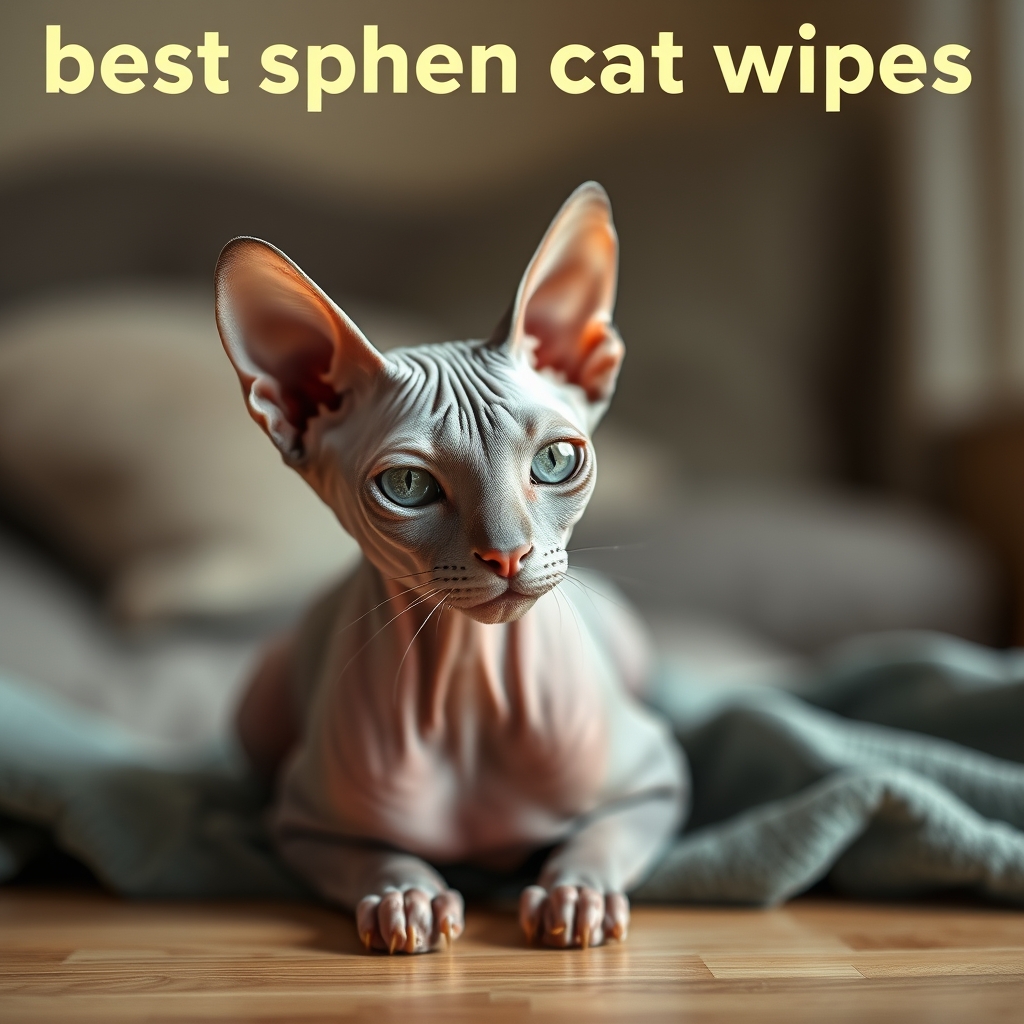 Skin Care
Best Sphynx Cat Wipes
The best sphynx cat wipes are unscented, hypo‑allergenic wipes designed specifically for hairless cats, and they can replace full baths for routine cleaning. Choose wipes that are safe for the skin, eyes and ears, and avoid using regular baby wipes as they may contain irritants.
Read guide→