Best Sphynx Cat Wipes
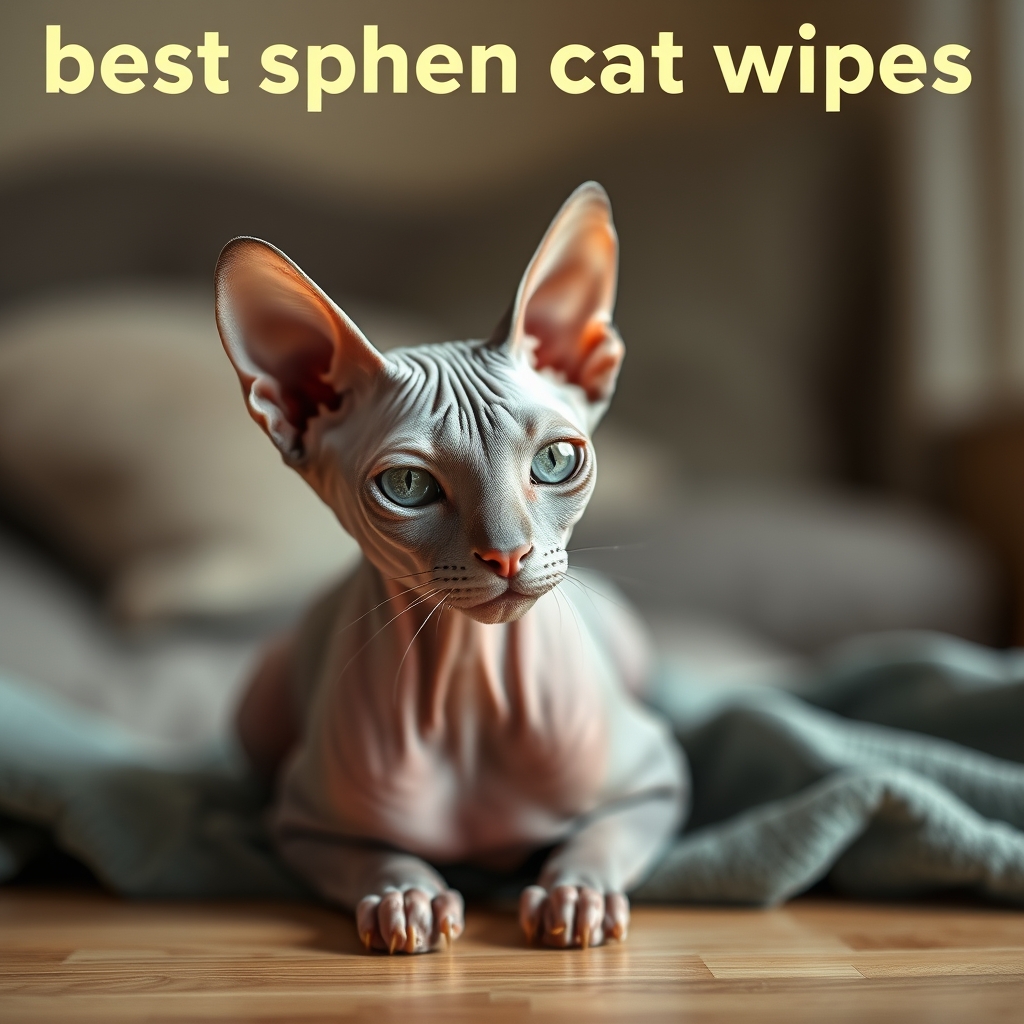
Why specialised wipes matter for Sphynx cats
Sphynx cats lack the protective fur coat that most felines rely on to trap dirt and regulate temperature. Their exposed skin is more prone to oil buildup, grime, and irritation, so a gentle, daily cleaning routine is essential. Regular cat shampoos can be too harsh, stripping the natural oils that keep their skin supple. This is where sphynx cat cleaning wipes – and the broader range of sphynx cat bath wipes – become valuable tools. They allow owners to wipe away debris without the stress of a full‑water bath, reducing the risk of hypothermia and skin dryness.
Choosing the best sphynx cat wipes
When scouting for the best sphynx cat wipes, look for a few key attributes:
- Hypo‑allergenic, fragrance‑free formula – Sphynx skin can react to essential oils or strong scents. A neutral pH protects the epidermis.
- Alcohol‑free and non‑drying – Alcohol can cause cracking, especially on the paws and tail base.
- Large, soft texture – A wipe that is slightly thicker will glide over the skin without tearing.
- Eye‑safe and ear‑safe variants – Some brands produce dedicated sphynx cat eye wipes and sphynx cat ear wipes, formulated to be extra gentle for those sensitive areas.
Products marketed simply as "cat wipes" may be suitable for short‑haired breeds, but they often contain detergents that are unnecessary for a hairless cat. The specialised sphynx cat bath wipes are usually packaged with a label stating they are safe for full‑body use, including the neck and belly folds.
How to use sphynx cat cleaning wipes safely
- Prepare a calm environment – Sphynx cats are social but can be nervous during grooming. A quiet room with a soft blanket helps.
- Test a small patch – Before applying a wipe to the whole body, rub a corner on the chest and wait a few minutes for any reaction.
- Wipe in gentle strokes – Start at the head and work downwards, using a fresh wipe for each major area to avoid cross‑contamination.
- Pay attention to ears and eyes – For ear cleaning, use sphynx cat ear wipes. Gently pull the ear flap and wipe the outer canal; never insert the wipe deep into the ear. For eye care, use sphynx cat eye wipes, which are formulated to be ophthalmologically safe. Wipe from the inner corner outward, using a new wipe for each eye.
- Allow the skin to breathe – After a full‑body wipe, let the cat sit for a few minutes so any residual moisture evaporates naturally.
- Store wipes properly – Keep the pack sealed to maintain moisture levels and protect against bacterial growth.
When to prefer wipes over a full bath
While sphynx cat bath wipes are excellent for routine maintenance, a full bath may still be necessary after the cat gets into something sticky, oily, or smelly that a wipe cannot lift. In such cases, use a mild, cat‑specific shampoo formulated for hairless breeds, and dry the cat thoroughly with a low‑heat towel or a hair dryer on a cool setting.
Comparing wipes to baby wipes
A common question is: are baby wipes safe for sphynx cats? The short answer is no. Baby wipes often contain preservatives, fragrances, and mild surfactants that are harmless for human infants but can cause irritation, dermatitis, or eye discomfort in a Sphynx. Even "unscented" baby wipes may harbour alcohol or parabens, which are best avoided on a cat’s delicate skin. Dedicated sphynx cat wipes are formulated without these additives, making them the safer choice.
Maintaining a healthy skin routine
Beyond wipes, regular veterinary check‑ups, a balanced diet rich in omega‑3 fatty acids, and occasional moisturising sprays can keep a Sphynx's skin in top condition. If you notice persistent redness, scaling, or a foul odour, consult a vet – it may be a sign of a bacterial or fungal infection that requires medical treatment, not just a change of wipes.
Quick checklist for daily grooming
- Keep a pack of sphynx cat cleaning wipes within reach.
- Use dedicated sphynx cat ear wipes for ear cleaning, and sphynx cat eye wipes for the eyes.
- Avoid baby wipes and any product with alcohol, fragrance, or harsh detergents.
- Observe your cat’s skin after each wipe session; look for signs of irritation.
- Replace wipes after each use to maintain hygiene.
By following these guidelines, you can keep your hairless companion clean, comfortable, and healthy without the stress of frequent baths. The right wipes not only simplify grooming but also protect the unique skin of the Sphynx, ensuring a happy, well‑cared‑for cat.
Frequently asked questions (see FAQ below)
The questions below address the most common concerns owners have when selecting and using wipes for their Sphynx cats.
Good to know
Frequently asked questions
Are baby wipes safe for sphynx cats?+
No. Baby wipes often contain alcohol, fragrances and preservatives that can irritate a Sphynx's delicate skin and eyes, so specialised cat wipes are recommended.
How do I use sphynx cat ear wipes correctly?+
Gently pull the ear flap, wipe the outer ear with a dedicated sphynx cat ear wipe, and avoid inserting the wipe into the ear canal.
Why choose sphynx cat cleaning wipes over a full bath?+
Cleaning wipes remove surface grime without the stress of water, help maintain skin oils, and are quicker and safer for daily maintenance.
When should I use sphynx cat eye wipes?+
Use eye wipes whenever you notice discharge or to gently clean the eyes; choose a product specifically labelled safe for feline eyes.
What should I look for in the best sphynx cat wipes?+
Look for hypo‑allergenic, fragrance‑free, alcohol‑free wipes that are marketed for hairless cats and have separate formulations for body, ears and eyes.
Related guides
 Skin Care
How to Bathe a Sphynx Cat
To clean a Sphynx cat, give a regular bath using lukewarm water, a cat‑specific gentle shampoo, and rinse thoroughly. Bathe about once a week, use a bath cap if the cat dislikes water, and keep dry or waterless shampoo for quick touch‑ups.
Read guide→ Skin Care
Sphynx Cat Oily Skin
Sphynx cats appear oily because their skin produces more sebum than furred cats, and without hair to absorb it the oil stays on the surface. The oil helps protect their delicate skin, but it can cause visible grease and stains, which are managed through regular bathing and skin care.
Read guide→ Skin Care
Sphynx Cat Acne Blackheads
Sphynx cat acne is a common skin issue caused by blocked pores, often appearing on the chin or tail. Gentle cleaning, topical treatments and keeping the environment clean can help, but always consult a vet for proper diagnosis and medication.
Read guide→ Skin Care
Best Sphynx Cat Shampoo
The best sphynx cat shampoo is a pH‑balanced, fragrance‑free, moisturizing formula that gently cleanses without stripping the skin’s natural oils. Look for options with oatmeal or aloe, and consider oil‑control or waterless dry shampoos for specific needs; baby shampoo is generally not recommended. In the UK you can find specialist sphynx cat shampoo from reputable pet‑care retailers and online boutiques.
Read guide→