What Happens if You Dont Bathe a Sphynx Cat

Sphynx cats are famous for their striking hairless appearance, but their lack of fur also means they need a bit more skin care than most other breeds. One of the most common questions new owners ask is what happens if you don't bathe a Sphynx cat? The answer lies in the way their skin works, the risks of oil buildup, and the practical steps you can take to keep your hairless companion happy and healthy.
Why Bathing Is Part of a Sphynx’s Routine
Unlike furry cats, a Sphynx’s skin is exposed directly to the environment. Their sebaceous glands continue to produce the natural oils that would normally be absorbed by fur, and without a coat to trap that oil, it can quickly collect on the surface. Over time, the oil mixes with dust, dander and any environmental pollutants, creating a greasy film that can become a breeding ground for bacteria and fungi.
If you skip regular baths, this film thickens, leading to several noticeable problems:
- Odour – The oil itself has a faint, sometimes musky smell, which intensifies when it mixes with waste and bacteria.
- Skin irritation – A greasy layer can block pores, causing redness, itchiness and, in severe cases, dermatitis.
- Infection risk – Moist, oily skin is an ideal environment for bacterial or yeast infections, especially around the ears, paws and the belly.
- Visible grime – Without fur to hide it, any dirt or debris becomes obvious, making the cat look unkempt.
These issues are why many owners wonder do Sphynx cats have to be bathed. The short answer is yes – regular bathing is a key part of their grooming regimen, not an optional luxury.
How Often Should You Bathe a Sphynx?
The ideal bathing frequency varies with the cat’s lifestyle, but most experts recommend a full bath every one to two weeks. Some owners may need to bathe more often if the cat spends a lot of time outdoors or has a particularly oily skin type. In between full baths, you can use a damp cloth or hypo‑allergenic wipes to remove surface oil and keep the cat comfortable.
Spot‑Clean vs. Full Bath
- Spot‑cleaning – Use a soft, lint‑free cloth moistened with warm water to gently wipe the face, ears, and paws. This can be done daily if the cat gets particularly greasy.
- Full bath – Fill a sink or shallow tub with a few inches of lukewarm water, add a small amount of cat‑specific, fragrance‑free shampoo, and gently lather the entire body. Rinse thoroughly to avoid residue.
What Happens If You Skip Baths?
Sphynx Cat Oil Buildup
When oil accumulates, it can become a visible, yellowish sheen on the skin. Over time, the oil can harden into a crusty layer that is difficult to remove without a bath. This not only looks unsightly but also traps microbes against the skin.
Sphynx Skin Without Bathing
A cat that isn’t bathed may develop patches of dry, flaky skin as the oil interferes with the natural shedding process. In some cases, the cat may start to scratch more aggressively, leading to hairless spots (ironically) and secondary infections.
Health Consequences
- Dermatitis – Inflammation caused by trapped oil and bacteria can manifest as redness, swelling, and occasional oozing.
- Ear infections – The ear canals of Sphynx cats are particularly prone to wax and oil buildup; without regular cleaning, infections become common.
- Fungal overgrowth – Yeast thrives in warm, oily environments, and a neglected skin surface can develop a mild fungal infection, often seen as a thin, scaly rash.
Practical Bathing Tips for the Hairless Cat Owner
- Choose the right products – Use a mild, unscented shampoo formulated for cats, preferably one labelled for sensitive skin. Avoid human shampoos, which can be too harsh.
- Temperature matters – Warm water (around 37 °C/98 °F) is comfortable for the cat and helps dissolve oil without causing shock.
- Gentle handling – Support the cat’s body securely, but avoid squeezing. Speak softly and keep movements smooth to reduce stress.
- Dry thoroughly – Pat the skin dry with a soft towel; a low‑heat blow dryer on a cool setting can be used if the cat tolerates it, but many Sphynx cats prefer to air‑dry.
- Post‑bath skin care – Apply a thin layer of a vet‑approved moisturizer if the skin feels tight. This helps maintain the skin’s barrier without adding excess oil.
The Role of Nutrition and Environment
A balanced diet rich in omega‑3 fatty acids supports healthy skin and can moderate oil production. Fresh, clean water and a low‑dust indoor environment also reduce the amount of debris that can cling to the skin. Regular veterinary check‑ups will catch any early signs of skin problems before they become serious.
When to Seek Veterinary Advice
If you notice persistent foul odour, redness that doesn’t improve after a bath, or any signs of swelling, it’s wise to consult a vet. They may prescribe medicated shampoos, topical creams, or dietary adjustments to address underlying issues.
Bottom Line
Skipping baths for a Sphynx cat isn’t just a cosmetic concern – it directly affects the animal’s comfort and health. Regular, gentle bathing prevents oil buildup, reduces infection risk, and keeps the cat’s skin smooth and pleasant to the touch. By establishing a consistent grooming routine, you’ll enjoy a cleaner home and a happier, healthier hairless companion.
Quick reference:
- Bath every 1‑2 weeks (or as needed).
- Use cat‑specific, fragrance‑free shampoo.
- Spot‑clean daily if the cat gets oily.
- Watch for odour, redness, or irritation – these signal a need for a bath or vet visit.
Frequently Asked Questions
- Do Sphynx cats have to be bathed? Yes, regular bathing (about every 1‑2 weeks) is essential to remove oil, dirt and prevent skin problems.
- Why does a Sphynx cat develop oil buildup? Their skin produces natural sebum, and without fur to absorb it, the oil accumulates on the surface, mixing with debris.
- How can I tell if my Sphynx’s skin is suffering without bathing? Look for a greasy sheen, foul odour, redness, itching or flaky patches – signs that oil and bacteria are building up.
- Are there any alternatives to full baths for a Sphynx cat? Spot‑cleaning with a damp cloth and using cat‑safe wipes can help between full baths, but they don’t replace the need for regular thorough washing.
- Can diet affect the need for bathing a Sphynx cat? A balanced diet with omega‑3 fatty acids supports healthy skin and may moderate oil production, complementing a regular bathing schedule.
Good to know
Frequently asked questions
Do Sphynx cats have to be bathed?+
Yes, they need a full bath about every one to two weeks to remove oil and prevent skin irritation.
Why does a Sphynx cat develop oil buildup?+
Their skin continuously produces sebum, and without fur to absorb it, the oil stays on the surface and mixes with dirt.
How can I tell if my Sphynx’s skin is suffering without bathing?+
Look for a greasy sheen, unpleasant odour, redness, itching or flaky patches, which indicate oil and bacterial buildup.
Are there any alternatives to full baths for a Sphynx cat?+
Spot‑cleaning with a damp cloth or cat‑safe wipes can help between baths, but they don’t replace regular full baths.
Can diet affect the need for bathing a Sphynx cat?+
A balanced diet rich in omega‑3 fatty acids supports healthy skin and may reduce excessive oil, complementing a bathing routine.
Related guides
 Skin Care
How to Bathe a Sphynx Cat
To clean a Sphynx cat, give a regular bath using lukewarm water, a cat‑specific gentle shampoo, and rinse thoroughly. Bathe about once a week, use a bath cap if the cat dislikes water, and keep dry or waterless shampoo for quick touch‑ups.
Read guide→ Skin Care
Sphynx Cat Oily Skin
Sphynx cats appear oily because their skin produces more sebum than furred cats, and without hair to absorb it the oil stays on the surface. The oil helps protect their delicate skin, but it can cause visible grease and stains, which are managed through regular bathing and skin care.
Read guide→ Skin Care
Sphynx Cat Acne Blackheads
Sphynx cat acne is a common skin issue caused by blocked pores, often appearing on the chin or tail. Gentle cleaning, topical treatments and keeping the environment clean can help, but always consult a vet for proper diagnosis and medication.
Read guide→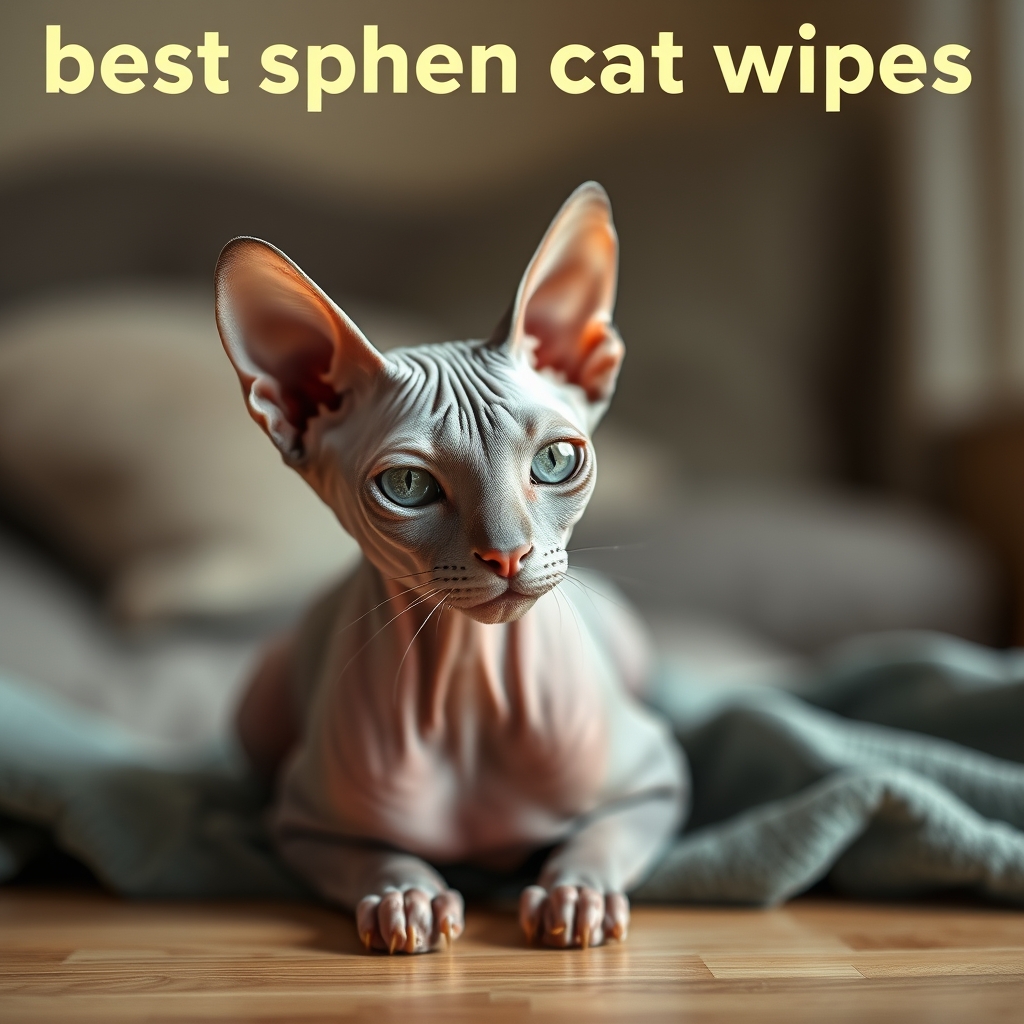 Skin Care
Best Sphynx Cat Wipes
The best sphynx cat wipes are unscented, hypo‑allergenic wipes designed specifically for hairless cats, and they can replace full baths for routine cleaning. Choose wipes that are safe for the skin, eyes and ears, and avoid using regular baby wipes as they may contain irritants.
Read guide→