How Often to Bathe a Sphynx Cat

How often should you bathe a sphynx cat?
The short answer is that most owners find a bath every one to two weeks works well for their hairless feline. Unlike coated cats, a sphynx cat cannot rely on fur to absorb and redistribute skin oils, so regular cleaning prevents the oils from becoming greasy or causing skin irritation. However, the exact interval varies with the cat’s environment, diet, and individual skin type. A cat that spends a lot of time outdoors or rolls in dusty corners may need a bath closer to weekly, while a relaxed indoor pet might be fine with a fortnightly routine.
Understanding a sphynx cat's skin needs
Sphynx cats have a thin, delicate epidermis that is more exposed to the world than that of furred breeds. Their skin produces sebum, a natural oil that keeps the surface supple and protects against microbes. Because there is no fur to trap this oil, it can accumulate on the skin and appear as a light sheen or a faint oily film. Over time, this can lead to clogged pores, acne‑like bumps, or a lingering odour. Regular bathing helps to remove excess oil while preserving the protective barrier.
The role of diet and grooming
A balanced diet rich in omega‑3 fatty acids can improve skin health, potentially reducing the frequency of baths needed. Some owners supplement with marine‑derived oils, but it is best to discuss any additions with a veterinarian. Even with a perfect diet, physical cleaning remains essential because the oil will still be produced.
Creating a sphynx cat bathing schedule
When planning a sphynx cat bathing schedule, consider three key factors: environment, activity level, and skin condition. A simple way to track this is to keep a small calendar near the sink and note the date of each bath. Over a month, you will see a pattern emerge that you can fine‑tune.
Weekly versus fortnightly
- Weekly baths are advisable if the cat is prone to oilier skin, has a habit of rolling in dusty areas, or shows early signs of acne.
- Fortnightly baths suit cats that live in a clean, climate‑controlled home and have a stable skin condition.
If you notice your cat’s skin becoming dry, flaky, or irritated, you may be bathing too often. In that case, extend the interval and monitor for improvement.
Can you bathe a sphynx cat too much?
Yes, over‑bathing can be harmful. The natural oils that keep the skin moisturised are stripped away with each wash, leaving the epidermis vulnerable to dryness and infection. Signs that you are bathing too frequently include:
- Visible dryness or a tight feeling after a bath
- Small, red bumps resembling acne
- Increased scratching or rubbing against surfaces
If any of these symptoms appear, give the skin a break for a week or two and re‑evaluate the bathing frequency. Some owners find that using a gentle, fragrance‑free cleanser and a lukewarm rinse can reduce irritation, but the best remedy is often simply to bathe less.
Practical bathing tips for a happy sphynx cat
- Use lukewarm water – Hot water can scorch the thin skin, while cold water may be uncomfortable.
- Choose a mild, unscented shampoo – Products formulated for sensitive skin or for babies work well. Avoid cat‑specific shampoos that contain strong fragrances.
- Keep the bath short – A five‑minute rinse is sufficient to remove oil without over‑soaking the skin.
- Dry gently – Pat the cat dry with a soft towel; you can also use a low‑heat hair dryer on the coolest setting if the cat tolerates it.
- Reward the experience – Offer a favourite treat after the bath to create a positive association.
When to skip a bath
There are occasions when a bath is unnecessary or even counter‑productive. If your sphynx cat has an open wound, a recent surgery, or a skin infection, consult your vet before any washing. In such cases, a vet‑approved medicated wipe may be safer. Additionally, during colder months, a cat’s skin may become drier, so extending the interval between baths can help maintain moisture.
Monitoring and adjusting the routine
The ideal sphynx cat bathing schedule is not a fixed rule but a flexible guideline that adapts to the cat’s changing needs. Regularly check the skin for signs of oiliness, dryness, or irritation, and adjust the frequency accordingly. Keeping a simple log of bath dates, any skin changes, and the cat’s overall behaviour will give you a clear picture of what works best.
By understanding the balance between cleanliness and skin health, you can keep your hairless companion comfortable, odor‑free, and looking its sleek best.
Key take‑aways
- Most sphynx cats thrive with baths every 1‑2 weeks.
- Over‑bathing can strip natural oils and cause dry skin.
- Tailor the schedule to your cat’s environment, activity, and skin condition.
- Use gentle, lukewarm water and a mild shampoo.
- Watch for signs of irritation and adjust the routine as needed.
Frequently Asked Questions
- How often do sphynx cats need baths? Most sphynx cats benefit from a bath every one to two weeks, though the exact timing depends on oil buildup and lifestyle.
- Can you bathe a sphynx cat too much? Yes; bathing too frequently can remove protective oils, leading to dry skin, irritation, and acne‑like bumps.
- What is a good sphynx cat bathing schedule? A practical schedule starts with weekly baths for oily or active cats and fortnightly baths for calmer indoor cats, adjusting based on skin condition.
- Why does a sphynx cat need regular baths? Without fur, oil and dirt accumulate on the skin, which can cause odour, skin irritation, and infections if not regularly cleaned.
- Are there signs that a sphynx cat is over‑bathing? Look for dry, flaky skin, redness, small bumps, or increased scratching after baths – these indicate the skin’s natural oils have been stripped.
Good to know
Frequently asked questions
How often do sphynx cats need baths?+
Most sphynx cats benefit from a bath every one to two weeks, though the exact timing depends on oil buildup and lifestyle.
Can you bathe a sphynx cat too much?+
Yes; bathing too frequently can remove protective oils, leading to dry skin, irritation, and acne‑like bumps.
What is a good sphynx cat bathing schedule?+
A practical schedule starts with weekly baths for oily or active cats and fortnightly baths for calmer indoor cats, adjusting based on skin condition.
Why does a sphynx cat need regular baths?+
Without fur, oil and dirt accumulate on the skin, which can cause odour, skin irritation, and infections if not regularly cleaned.
Are there signs that a sphynx cat is over‑bathing?+
Look for dry, flaky skin, redness, small bumps, or increased scratching after baths – these indicate the skin’s natural oils have been stripped.
Related guides
 Skin Care
How to Bathe a Sphynx Cat
To clean a Sphynx cat, give a regular bath using lukewarm water, a cat‑specific gentle shampoo, and rinse thoroughly. Bathe about once a week, use a bath cap if the cat dislikes water, and keep dry or waterless shampoo for quick touch‑ups.
Read guide→ Skin Care
Sphynx Cat Oily Skin
Sphynx cats appear oily because their skin produces more sebum than furred cats, and without hair to absorb it the oil stays on the surface. The oil helps protect their delicate skin, but it can cause visible grease and stains, which are managed through regular bathing and skin care.
Read guide→ Skin Care
Sphynx Cat Acne Blackheads
Sphynx cat acne is a common skin issue caused by blocked pores, often appearing on the chin or tail. Gentle cleaning, topical treatments and keeping the environment clean can help, but always consult a vet for proper diagnosis and medication.
Read guide→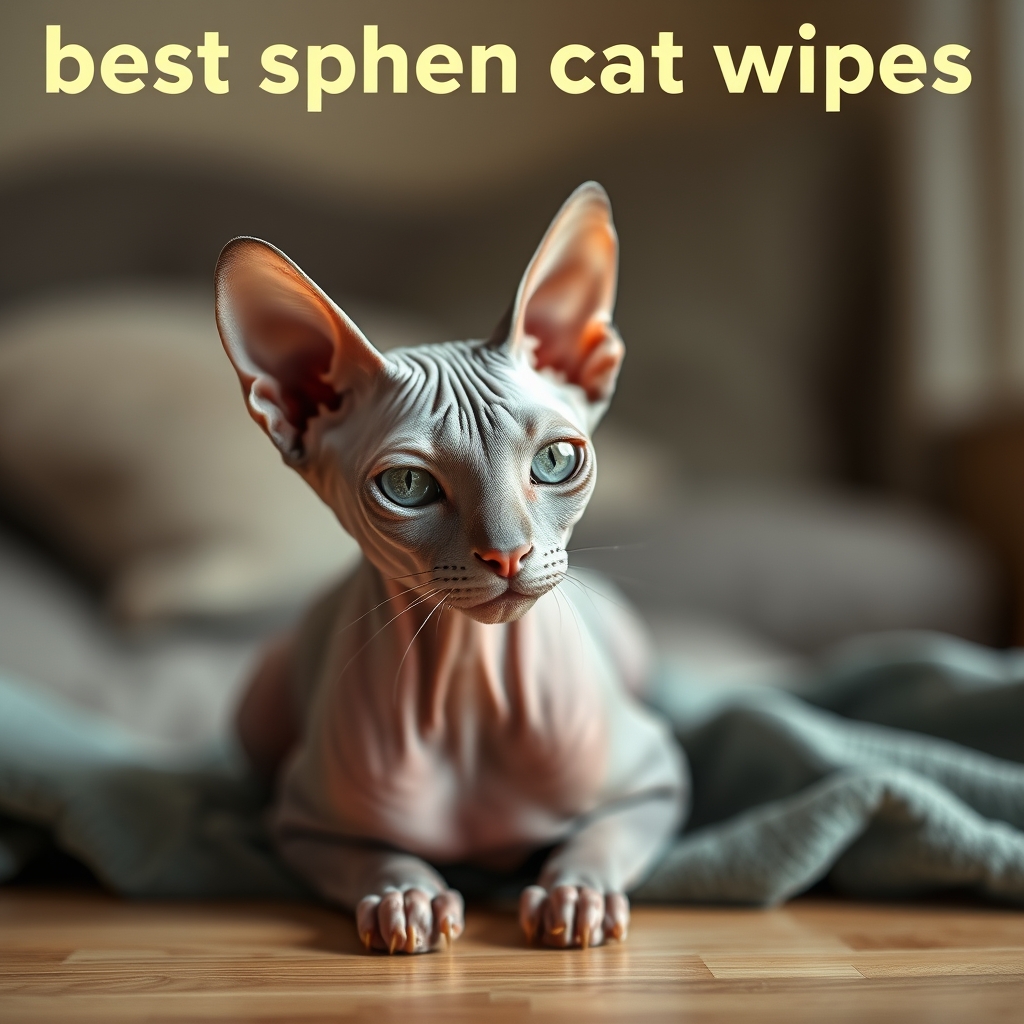 Skin Care
Best Sphynx Cat Wipes
The best sphynx cat wipes are unscented, hypo‑allergenic wipes designed specifically for hairless cats, and they can replace full baths for routine cleaning. Choose wipes that are safe for the skin, eyes and ears, and avoid using regular baby wipes as they may contain irritants.
Read guide→