Sphynx Cat Acne Blackheads

Informational, not veterinary advice. This guide is for general education. For diagnosis or treatment, always consult a qualified veterinarian who can examine your cat.
What Is Sphynx Cat Acne?
Sphynx cat acne is a dermatological condition that primarily affects the hairless Sphynx breed. Because the skin is exposed, the tiny pores on the face, chin, and tail can become clogged with oil, dead cells and bacteria, leading to inflamed lesions that look like pimples or blackheads. While the condition is not painful in most cases, it can become uncomfortable if left untreated and may progress to secondary infections.
Why Does It Appear Most Often on the Chin?
The chin is a natural gathering point for saliva and food particles when a cat eats or drinks. In Sphynx cats, the lack of fur means that any residue stays directly on the skin, providing a perfect medium for bacteria to multiply. Hormonal fluctuations, stress, and even the use of certain grooming products can exacerbate the problem, resulting in sphynx cat chin acne.
Recognising Sphynx Cat Tail Acne and Other Areas
Although the chin is the most common site, acne can also develop on the tail, especially if the cat rubs its tail against rough surfaces or bedding. Tail acne may look like small, red bumps or raised pustules that can be mistaken for ordinary irritation. Early identification is key; the sooner you intervene, the less likely the lesions will spread.
Spotting Blackheads and Pimples on a Hairless Cat
Sphynx cat blackheads appear as tiny, dark spots within the pores, while pimples are raised, sometimes pus‑filled lesions. Both are visual cues that the skin's natural oil balance is disrupted. Because the Sphynx’s skin is highly visible, owners often notice these signs earlier than with furred breeds, which can be an advantage for prompt care.
How to Help Sphynx Cat Acne: A Step‑by‑Step Guide
- Gentle Cleansing – Use a soft, lint‑free cloth dampened with warm water to wipe the affected area twice daily. Avoid harsh soaps; a mild, veterinary‑approved cleanser is safest.
- Topical Treatment – Over‑the‑counter products containing benzoyl peroxide or chlorhexidine can reduce bacterial load. Apply a thin layer only to the lesions and follow the product instructions.
- Environmental Hygiene – Wash bedding, toys, and any fabric the cat contacts weekly. Dust and oils from the environment can re‑contaminate the skin.
- Dietary Considerations – Some owners find that a diet rich in omega‑3 fatty acids supports skin health. Consult your vet before making any changes.
- Avoid Irritating Materials – Plastic bowls and rough fabrics can cause micro‑abrasions that worsen acne. Opt for stainless steel dishes and smooth, washable fabrics.
When to Seek Veterinary Help
If the acne does not improve after two weeks of home care, or if you notice swelling, excessive discharge, or your cat seems to be licking the area obsessively, it’s time to see a professional. A veterinarian can prescribe stronger topical or oral antibiotics, and rule out underlying conditions such as hormonal imbalances. Always consult a qualified veterinarian for a definitive diagnosis and appropriate treatment plan.
Common Mistakes to Avoid
- Over‑scrubbing – Aggressive rubbing can damage the delicate skin barrier and lead to secondary infection.
- Using Human Acne Products – Many contain ingredients toxic to cats, such as salicylic acid or certain essential oils.
- Neglecting Regular Checks – Because the Sphynx’s skin is constantly exposed, routine inspections during grooming sessions are essential.
Preventative Measures for Long‑Term Skin Health
- Routine Grooming – Even without fur, a weekly wipe‑down with a vet‑approved cleanser keeps pores clear.
- Temperature Control – Excessive heat can increase sweat and oil production; keep the home environment comfortably cool.
- Stress Reduction – Provide enrichment toys and safe hideaways to minimise stress‑related hormonal spikes that can aggravate acne.
Frequently Asked Questions
Below are concise answers to the most common queries about sphynx cat acne, covering chin acne, tail acne, blackheads, pimples, and treatment options.
FAQ
Why does my sphynx cat get chin acne? The chin collects saliva, food particles and oil, which can block pores and create a breeding ground for bacteria, leading to acne.
How can I treat sphynx cat tail acne at home? Clean the tail gently with warm water, apply a vet‑approved antiseptic cream, and keep the cat’s bedding clean to prevent reinfection.
Can sphynx cat blackheads turn into pimples? Yes, trapped oil in a blackhead can become inflamed and swell into a pimple if bacteria multiply within the pore.
What is the best sphynx cat acne treatment? A combination of gentle cleansing, a topical antiseptic (such as chlorhexidine), and environmental hygiene is usually effective; severe cases may need prescription medication from a vet.
How do I help sphynx cat acne without causing irritation? Use soft cloths, avoid harsh chemicals, keep the cat’s environment clean, and monitor the skin daily; seek veterinary advice if the condition worsens.
Related guides
 Skin Care
How to Bathe a Sphynx Cat
To clean a Sphynx cat, give a regular bath using lukewarm water, a cat‑specific gentle shampoo, and rinse thoroughly. Bathe about once a week, use a bath cap if the cat dislikes water, and keep dry or waterless shampoo for quick touch‑ups.
Read guide→ Skin Care
Sphynx Cat Oily Skin
Sphynx cats appear oily because their skin produces more sebum than furred cats, and without hair to absorb it the oil stays on the surface. The oil helps protect their delicate skin, but it can cause visible grease and stains, which are managed through regular bathing and skin care.
Read guide→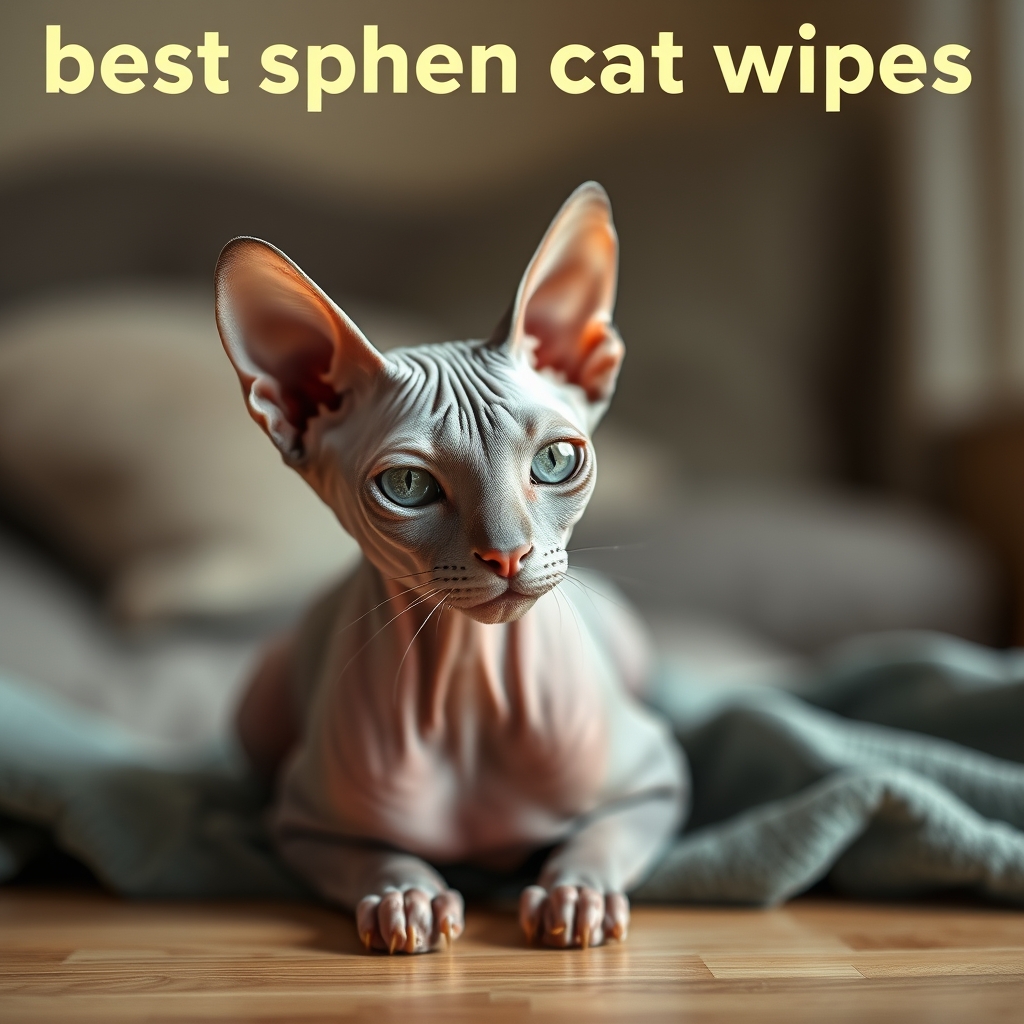 Skin Care
Best Sphynx Cat Wipes
The best sphynx cat wipes are unscented, hypo‑allergenic wipes designed specifically for hairless cats, and they can replace full baths for routine cleaning. Choose wipes that are safe for the skin, eyes and ears, and avoid using regular baby wipes as they may contain irritants.
Read guide→ Skin Care
Best Sphynx Cat Shampoo
The best sphynx cat shampoo is a pH‑balanced, fragrance‑free, moisturizing formula that gently cleanses without stripping the skin’s natural oils. Look for options with oatmeal or aloe, and consider oil‑control or waterless dry shampoos for specific needs; baby shampoo is generally not recommended. In the UK you can find specialist sphynx cat shampoo from reputable pet‑care retailers and online boutiques.
Read guide→