Sphynx Cat Eye Problems

Informational, not veterinary advice. This guide is for general education. For diagnosis or treatment, always consult a qualified veterinarian who can examine your cat.
Sphynx cats are beloved for their striking, hair‑free appearance, but their exposed eyes can be more vulnerable than those of coated breeds. Understanding the typical sphynx cat eye problems, recognising early signs and knowing how to act can keep your feline companion comfortable and healthy.
What are the most common sphynx cat eye conditions?
The breed is predisposed to several ocular conditions, many of which manifest as visible irritation or discharge. The most frequently reported issues include:
- Conjunctivitis (pink eye) – inflammation of the conjunctiva, often resulting in redness and a watery or mucoid discharge.
- Corneal ulcers – tiny sores on the clear front surface of the eye, caused by trauma or infection.
- Dry eye (keratoconjunctivitis sicca) – an inadequate tear film that leads to irritation, scarring and, in severe cases, vision loss.
- Entropion – a genetic defect where the eyelid folds inward, causing the lashes to rub against the cornea.
- Uveitis – inflammation of the inner eye, which can be painful and may indicate systemic disease.
While each condition requires a specific treatment plan, they all share a common early warning sign: sphynx cat runny eyes.
How can you spot sphynx cat eye infection signs?
Early detection is key. Keep an eye (pun intended) on the following symptoms, which may signal an infection or other problem:
- Persistent tearing or discharge – clear, watery tears are normal, but a thick, yellow‑green or pinkish discharge suggests bacterial or viral involvement.
- Redness or swelling – look for a pink or crimson hue around the sclera (the white of the eye) or swelling of the eyelids.
- Scratching or pawing at the face – cats often try to relieve discomfort by rubbing their eyes.
- Cloudiness or a change in pupil size – these can indicate deeper issues such as cataracts or uveitis.
- Behavioral changes – loss of appetite, lethargy or increased sensitivity to light may accompany ocular pain.
If you notice any of these sphynx cat eye infection signs, schedule a veterinary appointment without delay. A qualified veterinarian can perform diagnostic tests, prescribe appropriate medication and advise on supportive care.
Why do sphynx cats often have runny eyes?
The lack of fur around the face means that tears have nowhere to be absorbed, so they accumulate on the whisker pads and drip down the cheeks. Additionally, the breed’s prominent, wide‑set eyes are more exposed to dust, allergens and drafts, all of which can stimulate tear production. Genetic factors also play a role; some sphynx lines carry a higher incidence of congenital eyelid abnormalities that predispose them to excess tearing.
How to manage mild eye irritation at home
For minor irritation—such as a brief episode of watery eyes—these simple steps can help:
- Gentle cleaning – use a soft, lint‑free cloth dampened with warm water to wipe away discharge. Never use cotton buds, as they can damage the delicate cornea.
- Environmental control – keep the home free of smoke, strong fragrances and dust. A humidifier can reduce dryness in the winter months.
- Eye drops – only apply lubricating drops that are specifically formulated for cats and recommended by your vet.
- Monitor – keep a daily log of any changes in discharge colour, frequency or associated behaviour.
If symptoms persist beyond a day or worsen, contact a veterinarian. Home care is not a substitute for professional diagnosis.
When should you seek veterinary care?
Prompt veterinary attention is warranted when:
- Discharge becomes thick, coloured or foul‑smelling.
- The eye appears red, swollen or painful to touch.
- Your cat shows signs of discomfort, such as squinting, pawing at the eye, or reluctance to eat.
- Vision seems impaired—your cat may bump into objects or appear disoriented.
A veterinarian will likely perform a fluorescein stain test to check for corneal ulcers, measure tear production, and possibly take a sample of the discharge for laboratory analysis.
What treatment options are available?
Treatment varies with the underlying condition:
- Antibiotic or antiviral eye drops for bacterial or viral conjunctivitis.
- Artificial tears for dry eye, often used several times a day.
- Surgical correction for entropion or severe eyelid malformations.
- Systemic medication for uveitis, which may include steroids and pain relievers.
All treatments should be administered under veterinary guidance to avoid complications such as drug resistance or toxicity.
Prevention tips for long‑term eye health
Maintaining a clean environment and regular health checks are the best defence against eye problems:
- Routine grooming – even hairless cats benefit from gentle wiping of the face to remove debris.
- Annual veterinary exams – include an ophthalmic assessment, especially for kittens with a family history of eye disease.
- Nutrition – a balanced diet rich in omega‑3 fatty acids supports healthy tear production and ocular surface integrity.
- Protective eyewear – in very windy or dusty situations, a lightweight cat‑safe eye shield can reduce irritation.
Remember, while many eye issues can be managed with early intervention, a qualified veterinarian should always confirm the diagnosis and prescribe the appropriate treatment.
If you are ever unsure about the severity of your sphynx cat's eye condition, seek professional veterinary advice. Early detection and treatment are essential to preserve vision and comfort.
Good to know
Frequently asked questions
Why do sphynx cats often have runny eyes?+
Their hairless faces expose the tear ducts, and genetic eyelid traits can increase tear production, leading to frequent watery discharge.
How can I tell if my sphynx cat has an eye infection?+
Look for coloured or thick discharge, redness, swelling, squinting or pawing at the eye; these are common sphynx cat eye infection signs.
Can dry eye develop in a sphynx cat?+
Yes, the breed is prone to keratoconjunctivitis sicca, which causes insufficient tear production and may lead to chronic irritation.
Are there preventive measures for sphynx cat eye conditions?+
Regular face cleaning, a dust‑free environment, balanced nutrition and annual vet eye checks can reduce the risk of many eye problems.
How quickly should I see a vet if my sphynx cat's eyes are runny?+
If the discharge changes colour, becomes thick, or is accompanied by redness or pain, seek veterinary care within 24 hours.
Related guides
 Health
Are Sphynx Cats Hypoallergenic
Sphynx cats are not truly hypoallergenic, as they still produce allergens. However, their lack of fur means less dander gets trapped and spread, making them a better option for some allergy sufferers than long-haired breeds.
Read guide→ Health
Sphynx Cat Lifespan
Sphynx cats usually live 12‑15 years, with many reaching 14 years or more when given appropriate care. Their lifespan is shaped by genetics, diet, indoor living and regular veterinary checks. Males and females have similar life expectancy, and keeping a sphynx indoors can help extend their years.
Read guide→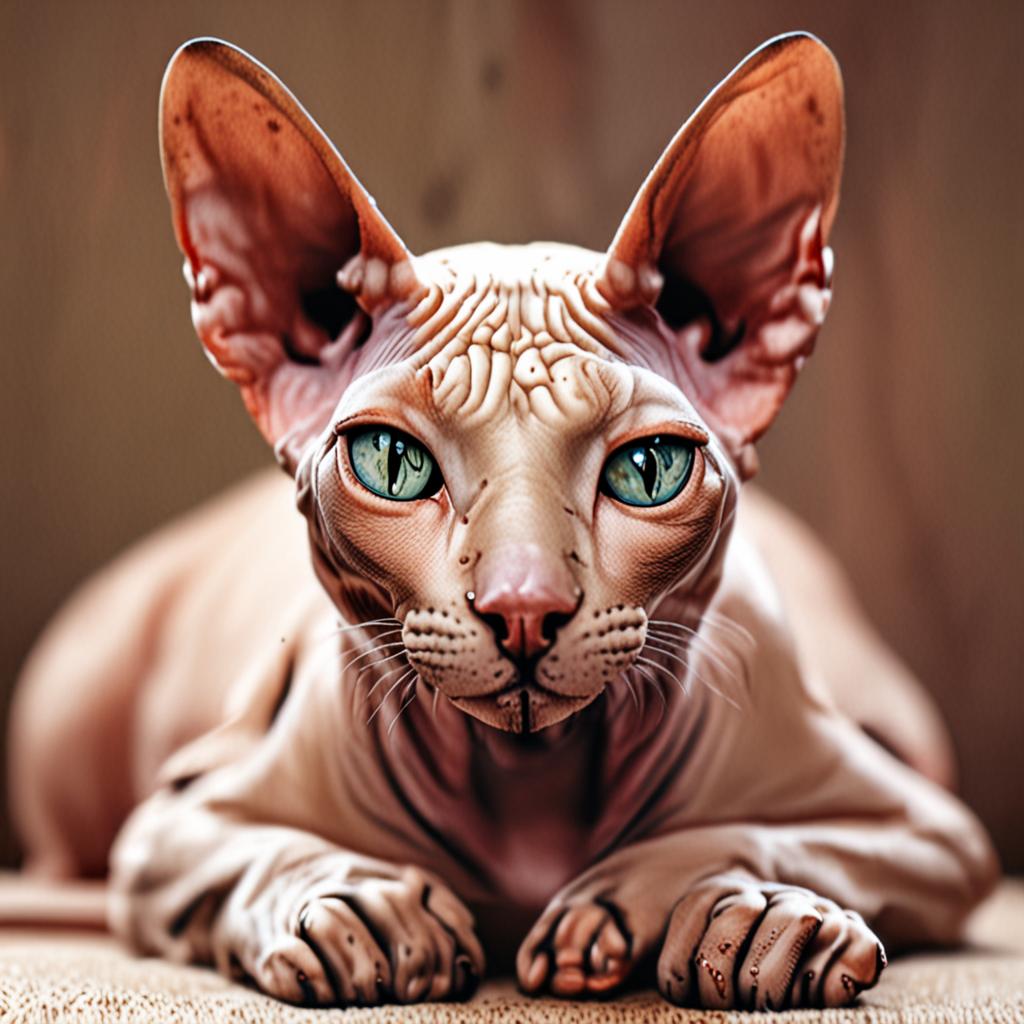 Health
Sphynx Cat Health Issues
Sphynx cats are prone to specific health issues, especially genetic disorders like hypertrophic cardiomyopathy and skin conditions. Regular vet check‑ups, targeted health testing, and attentive skin care can minimise risks and keep them healthy.
Read guide→ Health
Sphynx Cat Hcm Heart
Sphynx cat heart disease, most often hypertrophic cardiomyopathy, can cause breathing difficulty, lethargy and sudden collapse. Early detection through regular heart screening and prompt veterinary care improves outcomes. Management includes medication, diet and lifestyle adjustments.
Read guide→