Sphynx Cat Health Issues
Informational, not veterinary advice. This guide is for general education. For diagnosis or treatment, always consult a qualified veterinarian who can examine your cat.
Understanding sphynx cat health issues
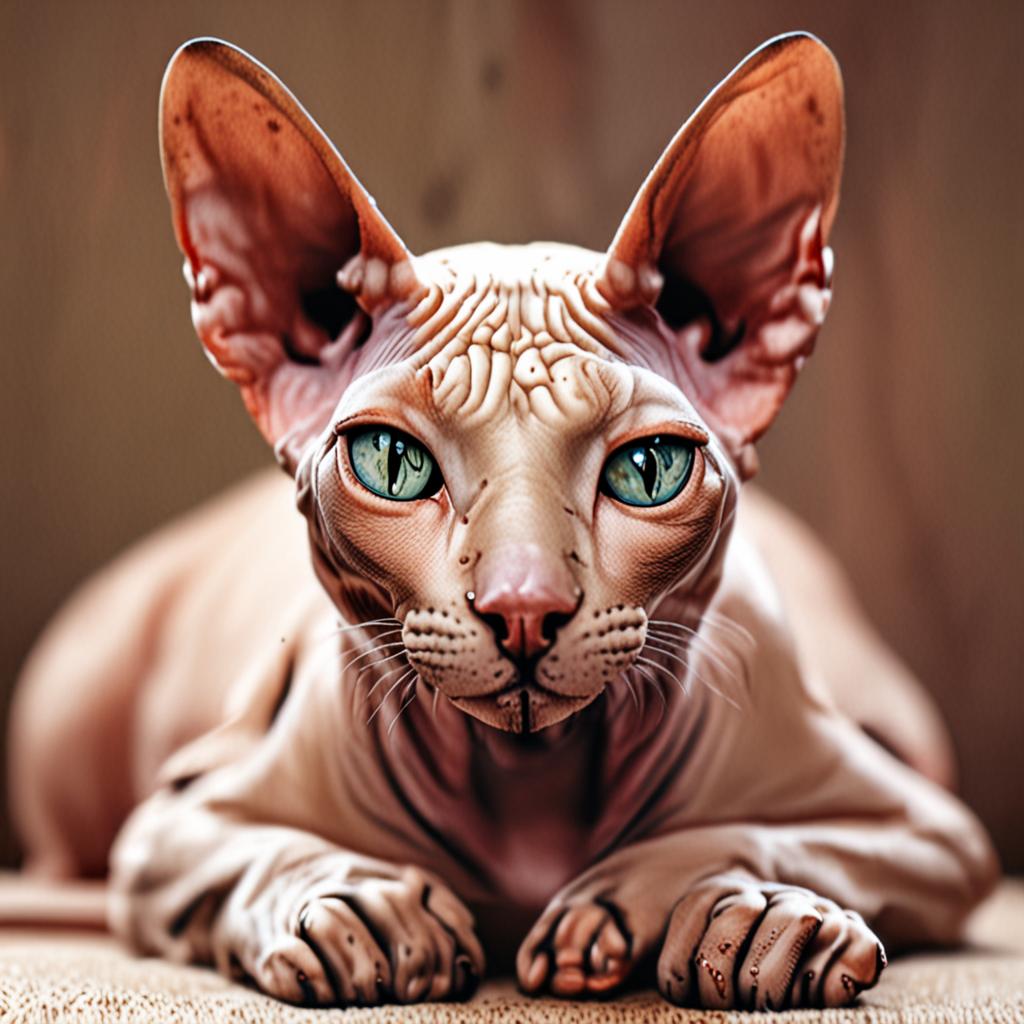
The hairless sphynx cat is celebrated for its striking appearance, but its unique physiology brings a distinct set of health considerations. Without the protective layer of fur, these cats are more exposed to temperature changes, skin irritation, and a range of hereditary conditions. Recognising the most common sphynx cat problems early can help owners provide the preventative care that keeps their companion thriving.
sphynx cat genetic disorders
While any breed can inherit health concerns, the sphynx has a few genetic disorders that appear more frequently. The most notable is hypertrophic cardiomyopathy (HCM), a thickening of the heart muscle that can lead to heart failure if left untreated. Another concern is the hereditary form of polycystic kidney disease (PKD), though it is less common than in some other breeds. Some sphynx lines also show a predisposition to skin conditions such as ichthyosis, a disorder that affects skin shedding and can cause dry, flaky patches.
sphynx cat health risks
Beyond genetics, the lack of a fur coat creates specific health risks. The exposed skin is prone to sunburn, so owners should limit direct sunlight and consider protective clothing for outdoor outings. Temperature regulation is also a challenge; sphynx cats can become chilled quickly in cooler environments, which may predispose them to respiratory infections. Their skin produces more oil than furred cats, leading to a greasy sheen that, if not managed, can cause seborrhea and secondary infections.
Common sphynx cat problems and how to manage them
| Problem | Typical Signs | Management |
|---|---|---|
| Skin infections | Redness, crusting, odour | Regular gentle baths with a mild, cat‑safe shampoo; keep the environment clean; seek veterinary treatment if infection spreads |
| Dental disease | Bad breath, difficulty eating | Provide dental treats, brush teeth weekly, schedule bi‑annual dental checks |
| Respiratory infections | Sneezing, nasal discharge | Keep the cat warm, avoid drafts, monitor for coughing; consult a vet if symptoms persist |
| HCM (genetic) | Lethargy, fainting, rapid breathing | Annual cardiac ultrasound; early detection allows medication and lifestyle adjustments |
sphynx cat health testing: what to ask for
A proactive health plan for a sphynx cat includes targeted testing that screens for the breed’s known vulnerabilities. When you visit a veterinarian, ask for the following assessments:
Recommended screening tests
- Cardiac ultrasound – Detects hypertrophic cardiomyopathy before clinical signs appear.
- Kidney ultrasound – Checks for cysts or structural abnormalities linked to PKD.
- Skin scrapings – Identify mites or fungal organisms that may cause dermatitis.
- Blood panel and urinalysis – Provides a baseline for organ function and can highlight early metabolic issues.
- Genetic testing – Some labs offer DNA panels that screen for HCM‑related mutations; this can be especially useful for breeding cats.
These tests are not one‑off procedures. Most vets recommend repeating cardiac and kidney ultrasounds every 12–18 months, while skin examinations can be part of routine wellness visits.
Practical care tips to reduce health risks
- Maintain a warm environment – Provide heated beds or blankets, especially in cooler months, to prevent hypothermia.
- Sun protection – Use pet‑safe sunscreen on exposed areas if the cat will be outdoors for extended periods.
- Regular grooming – Even without fur, gentle wiping with a soft cloth removes excess oil and reduces the chance of skin infections.
- Balanced diet – Feed a high‑quality, protein‑rich diet to support skin health and overall vitality; consider supplements like omega‑3 fatty acids if recommended by your vet.
- Hydration – Encourage water intake with fresh bowls or a cat water fountain; proper hydration aids kidney function and skin elasticity.
If you notice any of these signs—persistent skin lesions, changes in appetite, breathing difficulties, or unusual lethargy—consult a qualified veterinarian for diagnosis and treatment. Early professional intervention is the best defence against the more serious sphynx cat health issues.
Frequently asked questions about sphynx cat health
Below are concise answers to common queries that owners often have about the breed’s wellbeing.
FAQ
Are sphynx cat genetic disorders common? While not every sphynx cat will develop a genetic condition, disorders such as hypertrophic cardiomyopathy and certain skin diseases occur more frequently than in many other breeds.
Do sphynx cats have specific health risks? Yes; their lack of fur makes them vulnerable to skin infections, sunburn, and temperature‑related issues, alongside breed‑linked genetic concerns.
Can common sphynx cat problems be prevented? Many issues can be mitigated with regular skin care, proper nutrition, temperature control, and routine veterinary check‑ups that include preventive testing.
Why is sphynx cat health testing recommended? Targeted tests such as cardiac ultrasounds and genetic screening identify silent conditions early, allowing owners and vets to manage or treat problems before they become serious.
How often should you screen a sphynx cat for health issues? Annual wellness exams are ideal; specific tests like heart and kidney ultrasounds are usually repeated every 12–18 months, depending on the cat’s age and previous results.
Related guides
 Health
Are Sphynx Cats Hypoallergenic
Sphynx cats are not truly hypoallergenic, as they still produce allergens. However, their lack of fur means less dander gets trapped and spread, making them a better option for some allergy sufferers than long-haired breeds.
Read guide→ Health
Sphynx Cat Lifespan
Sphynx cats usually live 12‑15 years, with many reaching 14 years or more when given appropriate care. Their lifespan is shaped by genetics, diet, indoor living and regular veterinary checks. Males and females have similar life expectancy, and keeping a sphynx indoors can help extend their years.
Read guide→ Health
Sphynx Cat Hcm Heart
Sphynx cat heart disease, most often hypertrophic cardiomyopathy, can cause breathing difficulty, lethargy and sudden collapse. Early detection through regular heart screening and prompt veterinary care improves outcomes. Management includes medication, diet and lifestyle adjustments.
Read guide→ Health
Sphynx Cat Dental Disease
Sphynx cat teeth are prone to plaque buildup and gum disease; regular brushing, dental check‑ups and a proper diet keep them healthy. If you notice bad breath, loose teeth or bleeding gums, see a vet promptly.
Read guide→