Sphynx Cat Skin Conditions

Informational, not veterinary advice. This guide is for general education. For diagnosis or treatment, always consult a qualified veterinarian who can examine your cat.
Sphynx cats are celebrated for their unique, hairless appearance, but their exposed skin demands extra attention. Without the protective coat most felines enjoy, they are more susceptible to irritants, infections and environmental changes. Understanding the most common sphynx cat skin conditions, recognising early signs and establishing a preventive care routine can make a world of difference to your cat’s comfort and wellbeing.
Common skin conditions in Sphynx cats
While any cat can develop skin problems, the Sphynx’s lack of fur means that issues such as dryness, oil buildup and external parasites are more visible and often more frequent. The most frequently reported conditions include:
- Allergic dermatitis – reactions to food, flea bites or environmental allergens.
- Urticaria pigmentosa – a mast‑cell disease that causes raised, pigmented lesions.
- Yeast infections – typically caused by Malassezia species thriving in oily, moist skin.
- Fungal infections – dermatophytes (ringworm) that can spread to other pets and humans.
Each of these conditions may present with overlapping symptoms, making a careful eye essential.
What causes sphynx cat skin conditions?
The underlying reasons are a mix of genetics, physiology and external factors.
- Genetic predisposition – The breed’s lack of fur means the skin is directly exposed to temperature fluctuations, UV light and mechanical irritation.
- Sebum accumulation – Without hair to absorb skin oils, the Sphynx can develop greasy patches, creating an ideal environment for yeast and bacteria.
- Allergies – Food proteins, dust mites or flea saliva can trigger inflammation.
- Environmental stress – Dry indoor heating, overly humid rooms or harsh cleaning chemicals can irritate the delicate epidermis.
Typical signs to watch for
- Redness or rash that does not resolve within a few days.
- Scaly, flaky patches or excessive oiliness.
- Itching, excessive grooming or scratching.
- Raised, pigmented bumps (possible urticaria pigmentosa).
- Hair‑like crusts or circular lesions that may spread (suggestive of fungal infection).
If any of these signs persist, a veterinary examination is advisable.
Managing urticaria pigmentosa in Sphynx cats
Urticaria pigmentosa is a mast‑cell disorder that manifests as brown‑to‑black macules or papules, often on the head, neck and limbs. While not exclusive to Sphynx cats, the breed’s visible skin makes the condition easier to spot. The lesions may be itchy and can become inflamed if traumatized.
Treatment approach typically involves:
- Antihistamines to control itching.
- Steroid medications for severe inflammation, prescribed by a vet.
- Regular skin cleaning with a mild, veterinary‑approved cleanser to reduce secondary infections.
Because mast‑cell disease can be systemic, regular monitoring and blood work may be recommended by your veterinarian.
Dealing with yeast infections on Sphynx cat skin
Yeast thrives on warm, oily skin, and the Sphynx’s natural oiliness can predispose them to Malassezia overgrowth. Common signs include a greasy sheen, a distinct musty odor and thickened, brownish plaques, often on the ears, chin and paws.
Management steps:
- Bathing – Use a lukewarm water bath with a gentle, antifungal shampoo specifically formulated for cats. Frequency varies, but most Sphynx owners find a weekly bath sufficient to keep oil levels balanced.
- Drying – Thoroughly dry the cat after baths; residual moisture encourages yeast growth.
- Topical treatment – A vet may prescribe an antifungal cream or spray for localized lesions.
- Dietary support – Reducing carbohydrate‑rich treats can help, as yeast feeds on simple sugars.
If symptoms persist after a few weeks of home care, seek veterinary advice for possible oral antifungal medication.
Fungal skin infections in Sphynx cats
Dermatophyte infections, commonly called ringworm, are highly contagious and can affect both hairless and haired cats. In Sphynx cats, the infection often appears as circular, crusted lesions with a raised border and a clear centre. Because there is no fur to hide the infection, it can be spotted early.
Key points for owners:
- Diagnosis – A vet will perform a Wood’s lamp examination and may take skin scrapings for laboratory culture.
- Treatment – Topical antifungal creams, shampoos and, in more extensive cases, oral antifungal drugs are prescribed.
- Isolation – Keep the infected cat separate from other pets and clean bedding daily to prevent spread.
- Environmental cleaning – Disinfect surfaces with a solution containing 1% bleach or a veterinary‑approved fungicide.
Prompt treatment not only aids recovery but also reduces the risk of zoonotic transmission to humans.
Prevention and daily skin‑care routine
A proactive approach can markedly reduce the incidence of skin problems.
- Regular bathing – A weekly bath with a mild, pH‑balanced cat shampoo removes excess oil and debris. Some owners prefer a fortnightly schedule in cooler months.
- Moisturising – Apply a veterinarian‑approved, fragrance‑free moisturizer to dry patches after bathing. Products containing ceramides or hyaluronic acid help restore the skin barrier.
- Ear and paw care – Gently wipe ears and paws with a damp cotton ball to clear wax and prevent yeast buildup.
- Environmental control – Maintain indoor humidity around 40‑50% and avoid direct drafts. Use hypo‑allergenic cleaning agents.
- Nutrition – Feed a balanced diet rich in omega‑3 fatty acids; these support skin health and reduce inflammation.
- Regular vet checks – Annual health examinations should include a skin assessment, especially for cats with a history of allergies or infections.
Remember: If you suspect any skin condition, especially persistent redness, itching or unusual lesions, consult a qualified veterinarian for an accurate diagnosis and appropriate treatment.
By combining vigilant observation with a consistent grooming regimen, Sphynx owners can keep their cats comfortable and minimise the impact of common skin conditions.
Good to know
Frequently asked questions
Are sphynx cats prone to urticaria pigmentosa?+
Yes, the breed’s visible skin can reveal urticaria pigmentosa more readily, and they may develop pigmented, itchy bumps that require veterinary assessment.
Can a sphynx cat develop a yeast infection on its skin?+
A yeast infection is common in Sphynx cats due to oily, warm skin; signs include greasy patches, a strong odor and brownish plaques, especially on the ears and chin.
How do I recognise a fungal skin infection in a sphynx cat?+
Look for circular, crusted lesions with a raised border and clear centre; a vet can confirm the diagnosis with a Wood’s lamp test or skin scrapings.
Why do sphynx cats get skin conditions more often than other breeds?+
Without fur, their skin is exposed to temperature changes, oil buildup and environmental irritants, making it more vulnerable to allergies, infections and dryness.
Do regular baths help prevent sphynx cat skin conditions?+
Regular, gentle bathing removes excess oil and debris, reducing the risk of yeast and bacterial overgrowth, but baths should be balanced with moisturising to avoid drying the skin.
Related guides
 Health
Are Sphynx Cats Hypoallergenic
Sphynx cats are not truly hypoallergenic, as they still produce allergens. However, their lack of fur means less dander gets trapped and spread, making them a better option for some allergy sufferers than long-haired breeds.
Read guide→ Health
Sphynx Cat Lifespan
Sphynx cats usually live 12‑15 years, with many reaching 14 years or more when given appropriate care. Their lifespan is shaped by genetics, diet, indoor living and regular veterinary checks. Males and females have similar life expectancy, and keeping a sphynx indoors can help extend their years.
Read guide→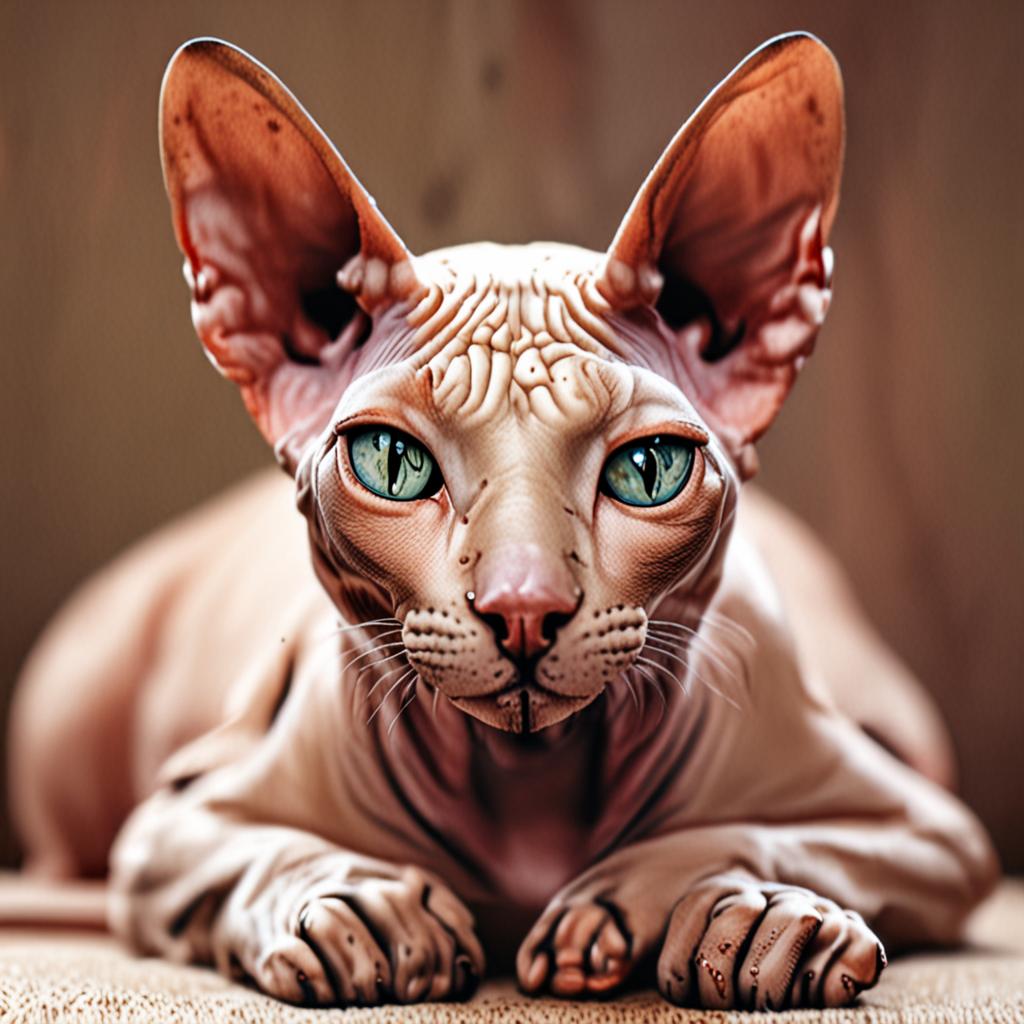 Health
Sphynx Cat Health Issues
Sphynx cats are prone to specific health issues, especially genetic disorders like hypertrophic cardiomyopathy and skin conditions. Regular vet check‑ups, targeted health testing, and attentive skin care can minimise risks and keep them healthy.
Read guide→ Health
Sphynx Cat Hcm Heart
Sphynx cat heart disease, most often hypertrophic cardiomyopathy, can cause breathing difficulty, lethargy and sudden collapse. Early detection through regular heart screening and prompt veterinary care improves outcomes. Management includes medication, diet and lifestyle adjustments.
Read guide→