do Sphynx Cats Sweat

Do Sphynx Cats Sweat?
The short answer is yes – Sphynx cats possess sweat glands, but they are not as prolific as those in humans. In felines, functional eccrine glands are confined to the paw pads and the nose. When a Sphynx becomes warm, a small amount of moisture may appear on these areas, but it is insufficient to lower body temperature in the way human sweating does. This limited sweating capacity is one reason why owners often notice their hairless cat’s skin feeling damp rather than drenched.
How Do Sphynx Cats Regulate Temperature?
Because sweating is only a minor cooling mechanism, Sphynx cats have developed several complementary strategies to maintain a stable body temperature:
- Panting – Similar to dogs, a Sphynx will open its mouth and breathe rapidly when overheated. This increases airflow over the moist surfaces of the tongue and respiratory tract, allowing heat to dissipate.
- Ear Vasodilation – The ears contain a rich network of blood vessels. When the cat is warm, these vessels expand, releasing heat into the environment. Conversely, in cooler conditions they constrict to conserve warmth.
- Skin Oil – The breed’s lack of fur means the skin is directly exposed to the air. Sebaceous glands produce a thin, oily coating that provides a modest barrier against rapid temperature loss and also helps to keep the skin supple.
- Behavioral Adaptations – Sphynx cats will seek out cool surfaces, such as tiled floors or shaded windowsills, and may curl tightly to conserve heat when it’s chilly.
Together, these methods create a balanced thermoregulatory system that compensates for the absence of a dense fur coat.
Do Hairless Cats Sweat?
The query "do hairless cats sweat" is essentially the same as asking about the Sphynx, because the breed is the most common hairless cat. As noted, sweat glands exist but are restricted to paws and the nose. Other hairless breeds, such as the Donskoy, share this physiological trait. Owners should therefore not expect a noticeable wet coat during hot weather; instead, monitor for signs of panting or lethargy.
Why Does My Sphynx Feel Sticky?
A sticky sensation on a Sphynx’s skin is usually the result of two factors:
- Sebum Production – The natural oil that protects the skin can build up, especially if the cat is not bathed regularly. This oil can feel tacky to the touch.
- Environmental Moisture – Humidity or a recent bath can leave a thin film of water on the paw pads and nose, enhancing the sticky feeling.
Regular, gentle cleaning with a mild, cat‑safe shampoo helps to remove excess oil without stripping the skin’s protective barrier. It also reduces the risk of skin infections, which Sphynx cats are more prone to due to their exposed epidermis.
Practical Tips for Keeping Your Sphynx Comfortable
- Maintain a Moderate Indoor Temperature – Aim for 20‑22 °C (68‑72 °F). Use fans or air‑conditioning during summer heat waves, but avoid drafts that could chill the cat.
- Provide Cool Resting Places – Ceramic tiles, a cool mat, or a shallow water dish can offer a quick way for the cat to lower its body temperature.
- Regular Grooming – Even without fur, a weekly wipe‑down with a soft, damp cloth removes dust and excess oil. Bathing every 1‑2 weeks is generally sufficient, but adjust based on how oily the skin becomes.
- Watch for Overheating Signs – Rapid breathing, open‑mouth panting, drooling, or a reluctance to move are warning signs. If these appear, move the cat to a cooler area and offer fresh water.
- Sun Protection – Although the skin lacks pigment, prolonged exposure to direct sunlight can cause sunburn. Provide shaded areas or apply a pet‑safe sunscreen on particularly vulnerable spots.
Common Misconceptions
- "Sphynx cats don’t need any grooming because they have no fur." This is false; their skin needs the same care as any other cat’s, plus extra attention to oil buildup.
- "If a Sphynx is warm, a quick wipe will keep it cool." While wiping can remove sweat, the cat still needs a proper environment to dissipate heat.
- "All hairless cats sweat the same way as humans." Their sweat glands are far fewer and located only on paws and the nose, making the sweating process very limited.
Monitoring Health Through Skin Condition
Because the skin is the most visible organ in a hairless cat, changes in texture, colour, or stickiness can be early indicators of health issues. Redness, crusting, or foul odour may point to dermatitis or infection, while an unusually dry, flaky surface could signal dehydration or nutritional deficiencies. Regular veterinary check‑ups, coupled with attentive home observation, ensure that any problem is caught early.
When to Seek Veterinary Advice
If your Sphynx shows persistent sticky skin despite regular cleaning, develops lesions, or exhibits signs of overheating that do not resolve within a few minutes, contact a vet. These symptoms can be linked to underlying conditions such as hyperthyroidism, respiratory infections, or skin disorders that require professional treatment.
Bottom Line
Sphynx cats do sweat, but only in limited areas, and they rely on panting, ear vasodilation, skin oil, and behavioural choices to manage body temperature. Understanding these mechanisms helps owners create a comfortable environment, recognise when the cat feels sticky, and provide the care needed to keep a hairless feline happy and healthy.
Good to know
Frequently asked questions
Do hairless cats sweat?+
Yes, hairless cats have sweat glands on their paw pads and nose, but the amount of sweat is minimal and does not significantly cool them.
How do Sphynx cats regulate temperature?+
They mainly use panting, ear vasodilation, a thin layer of skin oil, and behavioural choices like seeking cool surfaces to maintain a stable body temperature.
Why does my Sphynx feel sticky?+
The stickiness is usually caused by a buildup of natural skin oil (sebum) and occasional moisture from humidity or recent baths.
Can Sphynx cats overheat easily?+
Because they lack fur, they can overheat quickly in hot conditions; watch for panting, drooling, and seek to keep the environment cool.
Are there special grooming tips for Sphynx cats to stay cool?+
Regular gentle wipes, occasional baths, and providing cool resting spots help manage oil buildup and keep the cat comfortable.
Related guides
 Health
Are Sphynx Cats Hypoallergenic
Sphynx cats are not truly hypoallergenic, as they still produce allergens. However, their lack of fur means less dander gets trapped and spread, making them a better option for some allergy sufferers than long-haired breeds.
Read guide→ Health
Sphynx Cat Lifespan
Sphynx cats usually live 12‑15 years, with many reaching 14 years or more when given appropriate care. Their lifespan is shaped by genetics, diet, indoor living and regular veterinary checks. Males and females have similar life expectancy, and keeping a sphynx indoors can help extend their years.
Read guide→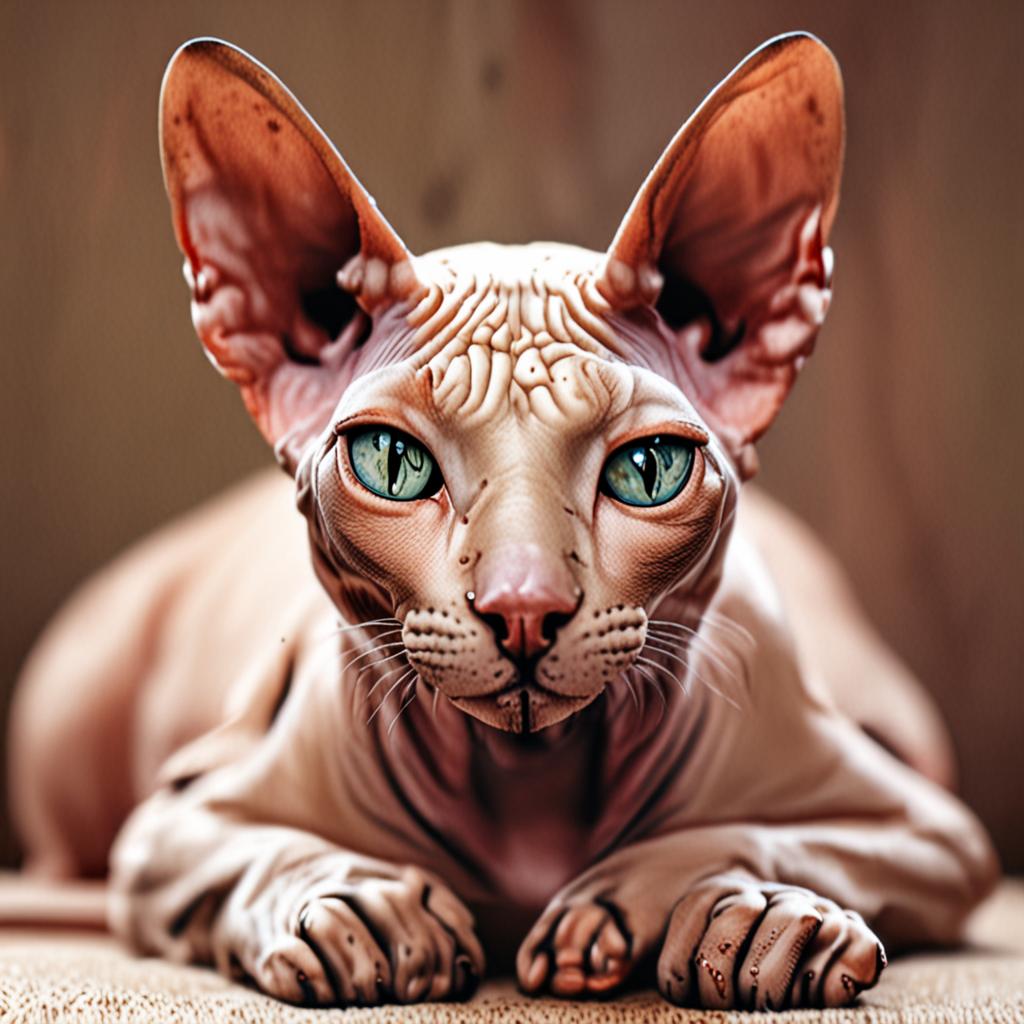 Health
Sphynx Cat Health Issues
Sphynx cats are prone to specific health issues, especially genetic disorders like hypertrophic cardiomyopathy and skin conditions. Regular vet check‑ups, targeted health testing, and attentive skin care can minimise risks and keep them healthy.
Read guide→ Health
Sphynx Cat Hcm Heart
Sphynx cat heart disease, most often hypertrophic cardiomyopathy, can cause breathing difficulty, lethargy and sudden collapse. Early detection through regular heart screening and prompt veterinary care improves outcomes. Management includes medication, diet and lifestyle adjustments.
Read guide→