Sphynx Cat Lifespan

Informational, not veterinary advice. This guide is for general education. For diagnosis or treatment, always consult a qualified veterinarian who can examine your cat.
Understanding the Typical Sphynx Cat Lifespan
The hairless sphynx cat is renowned for its striking appearance, but owners also want to know how long their companion is likely to live. In most veterinary surveys, the average sphynx cat lifespan falls between 12 and 15 years. Individual cats may live shorter or longer lives depending on a range of factors, from inherited health traits to lifestyle choices.
How Long Do Sphynx Cats Live? The Numbers Explained
When you ask how long do sphynx cats live, the answer is nuanced. While the median lifespan is around 13 years, a well‑cared adult can easily celebrate its 14th or 15th birthday. Some exceptionally healthy individuals have been reported to reach 17 years, though this is less common. The key takeaway is that the sphynx cat life expectancy is comparable to many other purebred cats, provided you manage the breed‑specific health risks.
Factors That Influence Sphynx Cat Lifespan
Genetics and Breed‑Specific Concerns
Sphynxes are prone to certain hereditary conditions, such as hypertrophic cardiomyopathy (HCM) and hereditary skin disorders despite their lack of fur. Regular cardiac screening and genetic testing where available can identify early signs and guide treatment, potentially adding years to a cat's life.
Nutrition and Weight Management
A balanced diet rich in high‑quality protein, essential fatty acids, and appropriate vitamins supports skin health and overall vitality. Because sphynx cats have a higher metabolic rate to maintain body temperature, they may require slightly more calories than a similarly sized coated cat, but obesity remains a risk if portions are not monitored.
Environment: Indoors vs. Outdoors
The phrase sphynx cat lifespan indoors reflects a significant lifestyle factor. Keeping a sphynx indoors protects it from traffic, predators, parasites, and infectious diseases, all of which can cut short a cat’s life. Indoor cats generally live longer than outdoor cats, and this holds true for the sphynx breed as well.
Preventative Healthcare
Routine veterinary visits for vaccinations, dental checks, and blood work are essential. Early detection of kidney disease, hyperthyroidism, or respiratory infections can lead to more effective interventions. If you notice any changes in appetite, behaviour, or coat health, consult a qualified veterinarian promptly.
Sphynx Cat Lifespan: Male vs Female
Research does not show a dramatic difference between the sexes. The term sphynx cat lifespan male vs female often appears in queries, but most studies indicate that both males and females share a similar median life expectancy of about 13‑14 years. Individual health, neutering status, and lifestyle have a greater impact than gender alone.
The Impact of Indoor Living on Longevity
Living exclusively indoors – the sphynx cat lifespan indoors scenario – can add several years to a cat’s life. Indoor environments reduce exposure to parasites, harsh weather, and traumatic injuries. However, indoor cats need mental stimulation to avoid behavioural issues; interactive toys, climbing structures, and regular playtime are vital.
Practical Tips to Maximise Your Sphynx’s Years
- Regular Vet Checks – Schedule annual examinations, and discuss cardiac screening for HCM.
- Balanced Diet – Choose a premium cat food formulated for adult cats, and supplement with omega‑3 fatty acids for skin health.
- Weight Control – Monitor body condition scores and adjust feeding amounts accordingly.
- Skin Care – Because they lack fur, sphynxes accumulate oils. Weekly gentle wipes and occasional baths keep skin clean and prevent infections.
- Safe Indoor Environment – Provide climbing posts, scratching posts, and puzzle feeders to keep your cat physically and mentally active.
- Dental Hygiene – Brush teeth weekly or use dental treats to reduce plaque buildup.
- Vaccinations and Parasite Prevention – Keep immunisations up to date and use vet‑approved flea, tick, and worm preventatives.
When to Seek Veterinary Advice
Even with diligent care, health issues can arise unexpectedly. Signs such as persistent coughing, rapid breathing, sudden weight loss, or changes in urination merit immediate veterinary attention. Early intervention often makes the difference between a manageable condition and a life‑threatening emergency.
Frequently Asked Questions
Below are concise answers to common queries about the sphynx cat lifespan.
FAQ
Do male and female sphynx cats have different lifespans? Studies suggest there is little difference; both sexes typically live 12‑15 years when well cared for.
How long do sphynx cats live? On average, sphynx cats reach 13 years, with many living to 14‑15 years and occasional individuals surpassing 16 years.
Can indoor living affect a sphynx cat's lifespan? Yes, keeping a sphynx indoors reduces exposure to hazards and can extend its life by several years compared to an outdoor lifestyle.
Why is the sphynx cat life expectancy sometimes lower than other breeds? The breed’s predisposition to genetic heart and skin conditions can shorten life expectancy if not monitored, but proper veterinary care mitigates this risk.
Are there specific health concerns that influence sphynx cat lifespan? Hypertrophic cardiomyopathy, skin infections, and dental disease are common concerns; regular check‑ups and preventive care are key to longevity.
Good to know
Frequently asked questions
Do male and female sphynx cats have different lifespans?+
Studies suggest there is little difference; both sexes typically live 12‑15 years when well cared for.
How long do sphynx cats live?+
On average, sphynx cats reach 13 years, with many living to 14‑15 years and occasional individuals surpassing 16 years.
Can indoor living affect a sphynx cat's lifespan?+
Yes, keeping a sphynx indoors reduces exposure to hazards and can extend its life by several years compared to an outdoor lifestyle.
Why is the sphynx cat life expectancy sometimes lower than other breeds?+
The breed’s predisposition to genetic heart and skin conditions can shorten life expectancy if not monitored, but proper veterinary care mitigates this risk.
Are there specific health concerns that influence sphynx cat lifespan?+
Hypertrophic cardiomyopathy, skin infections, and dental disease are common concerns; regular check‑ups and preventive care are key to longevity.
Related guides
 Health
Are Sphynx Cats Hypoallergenic
Sphynx cats are not truly hypoallergenic, as they still produce allergens. However, their lack of fur means less dander gets trapped and spread, making them a better option for some allergy sufferers than long-haired breeds.
Read guide→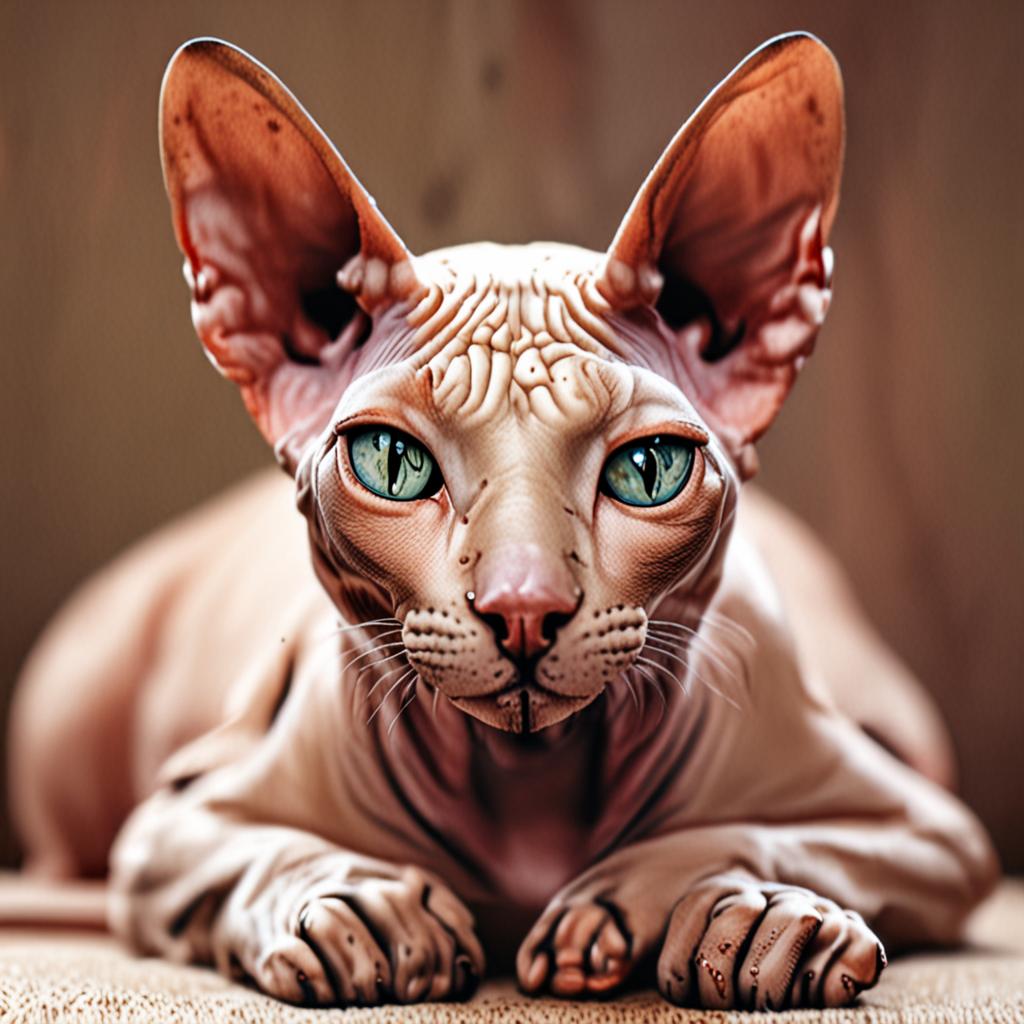 Health
Sphynx Cat Health Issues
Sphynx cats are prone to specific health issues, especially genetic disorders like hypertrophic cardiomyopathy and skin conditions. Regular vet check‑ups, targeted health testing, and attentive skin care can minimise risks and keep them healthy.
Read guide→ Health
Sphynx Cat Hcm Heart
Sphynx cat heart disease, most often hypertrophic cardiomyopathy, can cause breathing difficulty, lethargy and sudden collapse. Early detection through regular heart screening and prompt veterinary care improves outcomes. Management includes medication, diet and lifestyle adjustments.
Read guide→ Health
Sphynx Cat Dental Disease
Sphynx cat teeth are prone to plaque buildup and gum disease; regular brushing, dental check‑ups and a proper diet keep them healthy. If you notice bad breath, loose teeth or bleeding gums, see a vet promptly.
Read guide→