Can Sphynx Cats Get Fleas

Informational, not veterinary advice. This guide is for general education. For diagnosis or treatment, always consult a qualified veterinarian who can examine your cat.
Can Sphynx Cats Get Fleas?
The short answer is yes – Sphynx cats are just as susceptible to flea bites as coated breeds. Fleas are external parasites that feed on the blood of mammals, and they are attracted to the warmth, carbon‑dioxide, and movement of a living host. Because Sphynx cats have no fur to hide the insects, owners often notice fleas more quickly, but the risk of infestation remains the same. Flea bites can cause itching, skin inflammation, and in severe cases, allergic reactions or secondary infections. Maintaining a flea‑free environment is therefore a key part of caring for a hairless cat.
Do Hairless Cats Get Fleas?
Hairless cats, including the Sphynx, do indeed get fleas. The absence of a thick coat does not provide protection against these parasites; it merely makes the presence of fleas more visible. In fact, the lack of fur can lead to a higher chance of skin irritation because there is no barrier between the flea’s mouthparts and the cat’s delicate skin. Regular checks of the skin, ears, and tail base are essential, especially after outdoor exposure or contact with other animals.
Sphynx Cat Parasites
Beyond fleas, Sphynx cats can be vulnerable to a range of internal and external parasites. Common concerns include ear mites, intestinal worms (such as roundworms and tapeworms), and the occasional tick. Because their skin is more exposed, any parasite that feeds on blood or irritates the skin can cause noticeable discomfort. Routine veterinary examinations and preventative parasite programmes help keep these issues under control.
Understanding Flea Life Cycle
Fleas undergo four stages: egg, larva, pupa, and adult. Eggs are deposited on the cat’s skin and fall into the surrounding environment, where they hatch into larvae that feed on organic debris. Pupae develop in protected areas such as carpet fibres or upholstery cracks. Adult fleas emerge when they sense a host’s presence, jumping onto the cat to feed. Interrupting this cycle – by cleaning the home, washing bedding, and using appropriate treatments – is crucial for long‑term control.
Flea Treatment for Sphynx Cats
When it comes to flea treatment for Sphynx cats, safety is paramount. Many over‑the‑counter products contain chemicals that can be harsh on a hairless cat’s sensitive skin. Veterinarians typically recommend:
- Spot‑on treatments that are formulated specifically for hairless breeds, applied to the back of the neck where the cat cannot lick it off.
- Oral medications that are weight‑adjusted and have a proven safety record for cats without fur.
- Topical sprays used on the home environment rather than directly on the cat, to reduce the flea population.
Always follow the product instructions and avoid using dog‑specific flea products, as they can be toxic to cats. If you suspect a flea infestation, consult a qualified veterinarian for diagnosis and appropriate treatment.
Prevention and Routine Care
Preventative measures are the most effective way to keep fleas away from a Sphynx cat. These include:
- Regular grooming – even though they lack fur, gentle bathing with a mild, cat‑safe shampoo removes debris and helps you spot any parasites early.
- Environmental control – vacuum carpets frequently, wash bedding in hot water, and consider using flea‑inhibiting sprays in areas where the cat spends time.
- Scheduled parasite preventatives – many veterinarians offer monthly oral or spot‑on products that protect against fleas, ticks, and some internal parasites.
- Limiting outdoor exposure – if your cat goes outside, keep it on a leash or in a secure enclosure to reduce contact with stray animals that may carry fleas.
When to See a Veterinarian
If you notice signs of flea bites – such as red spots, excessive scratching, or hair loss – or if your Sphynx cat develops unexplained lethargy, weight loss, or gastrointestinal upset, it is important to seek veterinary care promptly. A vet can confirm the presence of fleas, assess for allergic reactions, and prescribe safe, effective treatments tailored to a hairless cat’s unique needs.
By staying vigilant and implementing a comprehensive parasite‑prevention plan, owners can ensure that their Sphynx cats remain comfortable, healthy, and flea‑free.
Good to know
Frequently asked questions
Do hairless cats get fleas?+
Yes, hairless cats can be infested with fleas; their lack of fur simply makes the insects easier to see.
Can Sphynx cats get other parasites besides fleas?+
Sphynx cats can also contract ear mites, intestinal worms, and occasionally ticks, so regular parasite prevention is advised.
How do I treat fleas on a Sphynx cat safely?+
Use veterinarian‑recommended spot‑on or oral flea products formulated for hairless cats, and avoid dog‑specific treatments.
Why is flea prevention important for hairless cats?+
Flea bites can cause skin irritation, allergic reactions, and secondary infections, which are more noticeable on a hairless cat's sensitive skin.
What steps can I take at home to stop a flea infestation in my Sphynx cat?+
Regularly clean bedding, vacuum carpets, wash fabrics in hot water, and use vet‑approved environmental flea sprays.
Related guides
 Health
Are Sphynx Cats Hypoallergenic
Sphynx cats are not truly hypoallergenic, as they still produce allergens. However, their lack of fur means less dander gets trapped and spread, making them a better option for some allergy sufferers than long-haired breeds.
Read guide→ Health
Sphynx Cat Lifespan
Sphynx cats usually live 12‑15 years, with many reaching 14 years or more when given appropriate care. Their lifespan is shaped by genetics, diet, indoor living and regular veterinary checks. Males and females have similar life expectancy, and keeping a sphynx indoors can help extend their years.
Read guide→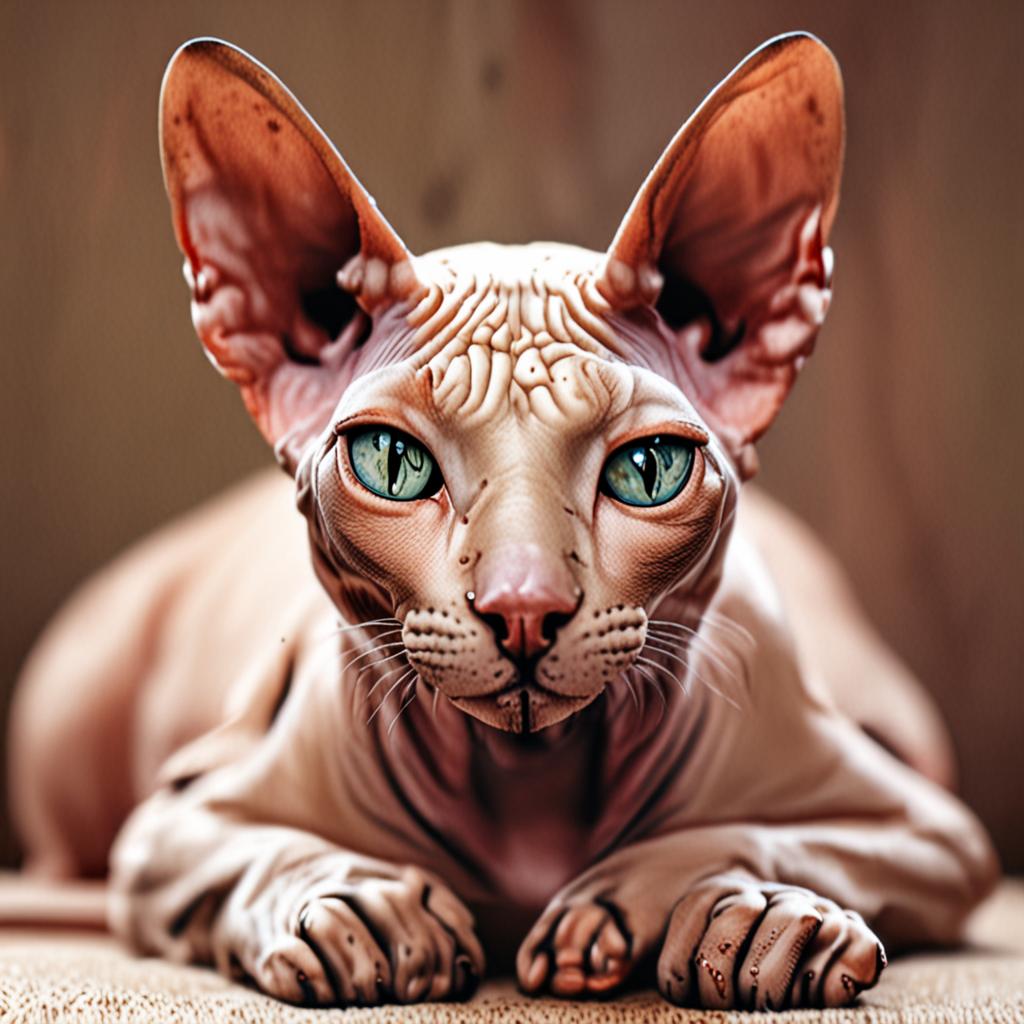 Health
Sphynx Cat Health Issues
Sphynx cats are prone to specific health issues, especially genetic disorders like hypertrophic cardiomyopathy and skin conditions. Regular vet check‑ups, targeted health testing, and attentive skin care can minimise risks and keep them healthy.
Read guide→ Health
Sphynx Cat Hcm Heart
Sphynx cat heart disease, most often hypertrophic cardiomyopathy, can cause breathing difficulty, lethargy and sudden collapse. Early detection through regular heart screening and prompt veterinary care improves outcomes. Management includes medication, diet and lifestyle adjustments.
Read guide→