Are Sphynx Cats High Maintenance
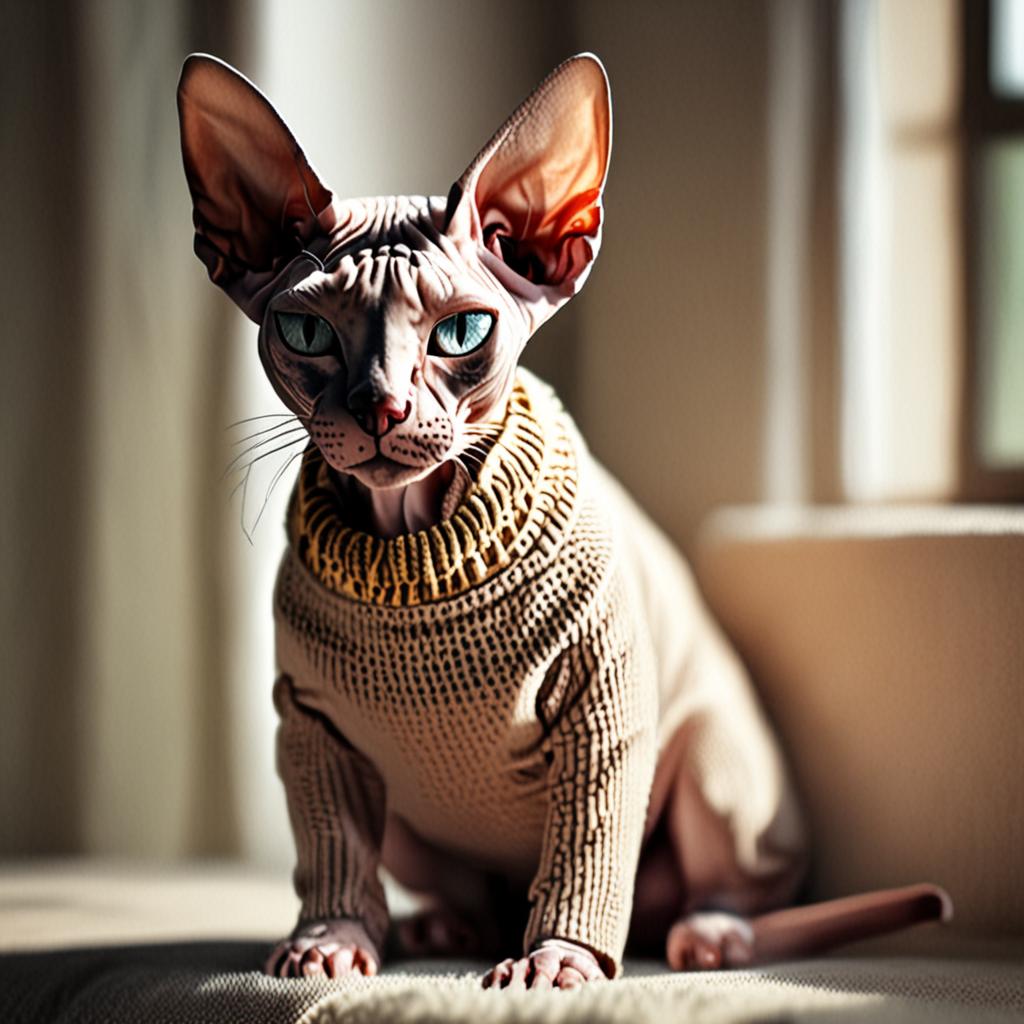
Sphynx cats are famous for their striking, hairless appearance, but many potential owners wonder are sphynx cats high maintenance compared with other breeds. The answer is nuanced – they require dedicated daily care, especially around skin health and temperature, yet they are not overly demanding if you understand their unique needs.
Understanding the Sphynx’s Unique Physiology
The lack of a fur coat means the Sphynx’s skin is exposed to the environment. Their skin produces oils that would normally be absorbed by fur, so it can feel oily or greasy. This characteristic drives the most noticeable maintenance tasks: regular bathing and careful skin monitoring.
Daily Skin Care Routine
- Bathing – Most owners bathe their Sphynx once a week, using a gentle, cat‑safe shampoo. Some may need to bathe twice weekly if the skin becomes excessively oily or if the cat gets dirty.
- Wipe‑downs – On non‑bath days, a damp cloth can remove excess oil and debris, keeping the skin comfortable.
- Moisturising – Light, hypo‑allergenic moisturisers can prevent dryness, especially during colder months.
These steps minimise the risk of skin infections, a common concern for hairless breeds.
Are Sphynx Cats Hard to Take Care Of?
The short answer is yes, they have specific care requirements, but they are not insurmountable. The challenges centre on three areas:
- Temperature Sensitivity – Without fur, Sphynxes feel cold more easily. Provide warm blankets, heated pads, or a sunny perch. In hot weather, ensure they have cool, shaded spots and fresh water.
- Sun Protection – Their exposed skin can burn. Limit direct sunlight and consider a pet‑safe sunscreen for short outdoor excursions.
- Dental Health – Like all cats, they need regular tooth brushing and dental checks, but the lack of fur around the mouth makes dental plaque more visible, encouraging owners to stay diligent.
By incorporating these practices into a routine, the perceived difficulty drops dramatically.
Are Sphynx Cats a Lot of Work?
Compared with a typical short‑haired cat, a Sphynx does involve a few extra steps each day, but the overall workload is manageable for most households:
- Bathing – 10‑15 minutes, once or twice a week.
- Temperature Management – A few minutes each morning to check blanket placement or heating pads.
- Social Interaction – Sphynxes are highly affectionate and thrive on human contact, so they benefit from regular play and cuddling – a rewarding part of the care routine rather than a chore.
If you enjoy spending time with a pet and can allocate a few minutes daily, the additional work is offset by the breed’s affectionate nature.
Nutrition and Health Considerations
Sphynx cats have a fast metabolism, meaning they may need slightly more calories than a similarly sized furred cat. High‑quality protein‑rich food, supplemented with omega‑3 fatty acids, supports skin health. Regular veterinary check‑ups are essential, as the breed can be predisposed to heart disease (hypertrophic cardiomyopathy) and skin infections.
Creating a Comfortable Home Environment
A well‑prepared home makes caring for a Sphynx straightforward:
- Warm Bedding – Fleece blankets, heated cat beds, or a sunny windowsill.
- Safe Surfaces – Soft flooring prevents sore pads, especially for kittens learning to walk.
- Enrichment – Puzzle toys, climbing towers, and interactive play keep them mentally stimulated and reduce stress‑related skin issues.
Social Needs and Personality Traits
Sphynxes are known for their extroverted, people‑oriented personalities. They often follow owners from room to room, seeking attention. This sociability means they are less likely to become lonely or develop behavioural problems when left alone for long periods. If you work long hours, consider a companion pet or arrange for midday interaction.
Cost Overview (Without Specific Figures)
While the initial purchase price of a Sphynx can be higher than many common breeds, ongoing costs revolve around:
- Specialised grooming products – cat‑safe shampoo, moisturisers, and wipes.
- Heating equipment – pads or blankets if your home is cooler.
- Veterinary care – routine exams and potential screening for breed‑specific conditions.
These expenses are comparable to caring for other purebred cats with unique needs.
Summary: Balancing Maintenance and Reward
In essence, Sphynx cats are moderately high maintenance, primarily due to skin care and temperature regulation. They are not inherently hard to take care of, provided you establish a consistent routine. The breed’s loving, playful nature often outweighs the extra tasks, making them a delightful companion for owners who appreciate hands‑on pet care.
Quick Checklist for New Sphynx Owners
- Schedule weekly baths and daily wipe‑downs.
- Provide a warm, draft‑free sleeping area.
- Use sunscreen or limit direct sun exposure.
- Feed a balanced, high‑protein diet with skin‑supporting supplements.
- Arrange regular veterinary visits for heart and skin health.
- Offer daily playtime and affection to satisfy their social cravings.
By following this checklist, you’ll find that caring for a Sphynx is both manageable and deeply rewarding.
Frequently Asked Questions
- Are Sphynx cats hard to take care of? They require regular skin cleaning, temperature management, and social interaction, but with a simple routine they are not unusually difficult.
- Why do Sphynx cats need frequent baths? Their skin produces oils that would normally be absorbed by fur; bathing removes excess oil and helps prevent skin infections.
- How can I keep my Sphynx warm in winter? Offer heated cat beds, fleece blankets, and a sunny perch; avoid drafts and consider a low‑level heating pad.
- Can Sphynx cats live happily without a companion? They thrive on human contact, so regular interaction is essential; a second pet can help if you are away for long periods.
- What diet supports healthy skin for a Sphynx? A high‑quality, protein‑rich diet with added omega‑3 fatty acids helps maintain skin elasticity and reduces dryness.
Good to know
Frequently asked questions
Are Sphynx cats hard to take care of?+
They need regular skin cleaning, temperature control and social interaction, but with a simple routine they are not unusually difficult.
Why do Sphynx cats need frequent baths?+
Their exposed skin produces oils that would normally be absorbed by fur, so bathing removes excess oil and helps prevent skin infections.
How can I keep my Sphynx warm in winter?+
Provide heated cat beds, fleece blankets, a sunny perch, and avoid drafts; a low‑level heating pad can also help.
Can Sphynx cats live happily without a companion?+
They thrive on human contact, so regular interaction is essential; a second pet can help if you are away for long periods.
What diet supports healthy skin for a Sphynx?+
A high‑quality, protein‑rich diet with added omega‑3 fatty acids helps maintain skin elasticity and reduces dryness.
Related guides
 Health
Are Sphynx Cats Hypoallergenic
Sphynx cats are not truly hypoallergenic, as they still produce allergens. However, their lack of fur means less dander gets trapped and spread, making them a better option for some allergy sufferers than long-haired breeds.
Read guide→ Health
Sphynx Cat Lifespan
Sphynx cats usually live 12‑15 years, with many reaching 14 years or more when given appropriate care. Their lifespan is shaped by genetics, diet, indoor living and regular veterinary checks. Males and females have similar life expectancy, and keeping a sphynx indoors can help extend their years.
Read guide→ Health
Sphynx Cat Health Issues
Sphynx cats are prone to specific health issues, especially genetic disorders like hypertrophic cardiomyopathy and skin conditions. Regular vet check‑ups, targeted health testing, and attentive skin care can minimise risks and keep them healthy.
Read guide→ Health
Sphynx Cat Hcm Heart
Sphynx cat heart disease, most often hypertrophic cardiomyopathy, can cause breathing difficulty, lethargy and sudden collapse. Early detection through regular heart screening and prompt veterinary care improves outcomes. Management includes medication, diet and lifestyle adjustments.
Read guide→