Sphynx Cat Skin Problems

Informational, not veterinary advice. This guide is for general education. For diagnosis or treatment, always consult a qualified veterinarian who can examine your cat.
Sphynx cats are famous for their striking, hairless appearance, but that unique look comes with a set of skin‑related challenges. Because they lack the protective coat most cats enjoy, sphynx cat skin problems can surface quickly and may be mistaken for something harmless. Understanding the root causes, recognising the signs, and applying a consistent care routine are essential for keeping a hairless feline comfortable and thriving.
Common Causes of Sphynx Cat Skin Problems
The naked skin of a sphynx is exposed to the same environmental stressors that affect human skin – temperature changes, sunlight, dust, and allergens. Without a fur barrier, the epidermis loses moisture faster, making it susceptible to dryness, irritation and infection. Common contributors include:
- Low humidity – indoor heating or air‑conditioning can strip moisture from the skin, leading to dry patches.
- Heat and sweat – sphynx cats do not sweat through fur; excess body heat can cause a heat rash, especially after vigorous play or in warm climates.
- Allergens – food, grooming products, or household chemicals may trigger an allergic response, resulting in itching and inflammation.
- Bacterial or fungal overgrowth – the warm, moist folds around the ears, neck and tail can become breeding grounds for microbes if not cleaned regularly.
- Genetic predisposition – some lines of sphynx cats are more prone to skin issues, including recurrent bumps or dermatitis.
Recognising Specific Issues
Sphynx Cat Skin Bumps
Small, raised lesions are a frequent complaint among owners. These bumps are often harmless follicular cysts, but they can also indicate an underlying infection or allergic reaction. They typically appear on the neck, shoulders, or around the tail base. If the bumps become inflamed, ooze, or the cat starts to scratch them, a veterinary assessment is advisable.
Sphynx Cat Rash
A rash may manifest as reddened, scaly patches that can be itchy or painful. Causes range from simple irritation due to a dry environment to more serious conditions like flea allergy dermatitis. Because sphynx cats cannot hide rash under a coat, the signs become apparent quickly. Distinguishing a regular rash from a sphynx cat heat rash is important: heat rash often appears after the cat has been in a warm room or after an intense bout of activity, and the lesions are usually small, erythematous papules that fade with cooling.
Sphynx Cat Dry Skin
Dry skin is perhaps the most common skin problem for hairless breeds. The skin may look flaky, feel tight, and sometimes develop fine white scales. This condition can exacerbate other issues such as itching, rash, and skin bumps. Regular moisturising with a veterinarian‑approved, fragrance‑free emollient helps restore the skin barrier and reduces the likelihood of secondary infections.
Sphynx Cat Skin Irritation and Allergies
Irritation can be triggered by a range of allergens – from a new diet to scented cleaning products. Typical signs include persistent scratching, head‑butting, and grooming over‑use, which can lead to hairline abrasions and secondary infection. Sphynx cat skin allergies often require an elimination diet or allergy testing to pinpoint the offending agent.
Practical Care Tips
- Weekly Baths – A gentle, lukewarm bath every week removes oil buildup and reduces bacterial load. Use a mild, cat‑specific cleanser and rinse thoroughly to avoid residue that can irritate the skin.
- Moisturise Daily – Apply a thin layer of a hypoallergenic, veterinary‑recommended moisturizer after each bath. This helps maintain the skin’s natural lipids and prevents dryness.
- Sun Protection – Although sphynx cats have minimal melanin, they can still burn. In sunny windows or during outdoor excursions, provide shaded areas or use a pet‑safe sunscreen on exposed areas.
- Temperature Control – Keep indoor temperatures moderate (around 20‑22°C) and avoid direct heat sources. If your cat shows signs of overheating, offer a cool, tiled surface or a breathable blanket.
- Regular Grooming – Even without fur, gently wiping the cat with a soft, damp cloth removes debris from skin folds. Pay special attention to the ears, neck, and tail where sphynx cat skin bumps often appear.
- Dietary Support – Omega‑3 fatty acids (found in fish oil) can improve skin health and reduce inflammation. Discuss appropriate supplementation with your vet.
- Allergy Management – If you suspect a food or environmental allergy, work with a veterinarian to conduct an elimination trial. Switching to a limited‑ingredient diet can clarify the cause of sphynx cat skin irritation.
When to Seek Veterinary Help
Most minor skin concerns can be managed at home, but certain signs warrant professional evaluation: persistent redness, swelling, discharge, or a sudden increase in sphynx cat skin bumps; any sign of pain when touching the skin; or a rash that does not improve after two weeks of home care. If your cat shows systemic symptoms such as lethargy, loss of appetite, or fever, contact a qualified veterinarian promptly. If you suspect any of these issues, consult a qualified veterinarian for diagnosis and treatment.
Frequently Asked Questions
Below are concise answers to common queries about sphynx cat skin health.
FAQ
Why do sphynx cats get skin bumps? Skin bumps often arise from clogged pores, minor infections, or allergic reactions; they are more visible because the cat lacks fur to hide them.
How can I prevent a sphynx cat rash? Keep the skin clean and moisturised, control indoor temperature, and avoid sudden exposure to heat or irritants; regular veterinary check‑ups help catch early signs.
Can a sphynx cat develop a heat rash? Yes, prolonged exposure to warm environments or vigorous activity can cause a heat rash, which appears as small red papules that fade with cooling.
What causes dry skin in sphynx cats and how is it treated? Low humidity and frequent bathing can strip natural oils; daily moisturising with a vet‑approved emollient and using a humidifier can restore skin moisture.
Why might my sphynx cat have skin allergies? Allergens such as certain foods, cleaning agents, or flea saliva can trigger an immune response, leading to itching, redness, and irritation.
Related guides
 Skin Care
How to Bathe a Sphynx Cat
To clean a Sphynx cat, give a regular bath using lukewarm water, a cat‑specific gentle shampoo, and rinse thoroughly. Bathe about once a week, use a bath cap if the cat dislikes water, and keep dry or waterless shampoo for quick touch‑ups.
Read guide→ Skin Care
Sphynx Cat Oily Skin
Sphynx cats appear oily because their skin produces more sebum than furred cats, and without hair to absorb it the oil stays on the surface. The oil helps protect their delicate skin, but it can cause visible grease and stains, which are managed through regular bathing and skin care.
Read guide→ Skin Care
Sphynx Cat Acne Blackheads
Sphynx cat acne is a common skin issue caused by blocked pores, often appearing on the chin or tail. Gentle cleaning, topical treatments and keeping the environment clean can help, but always consult a vet for proper diagnosis and medication.
Read guide→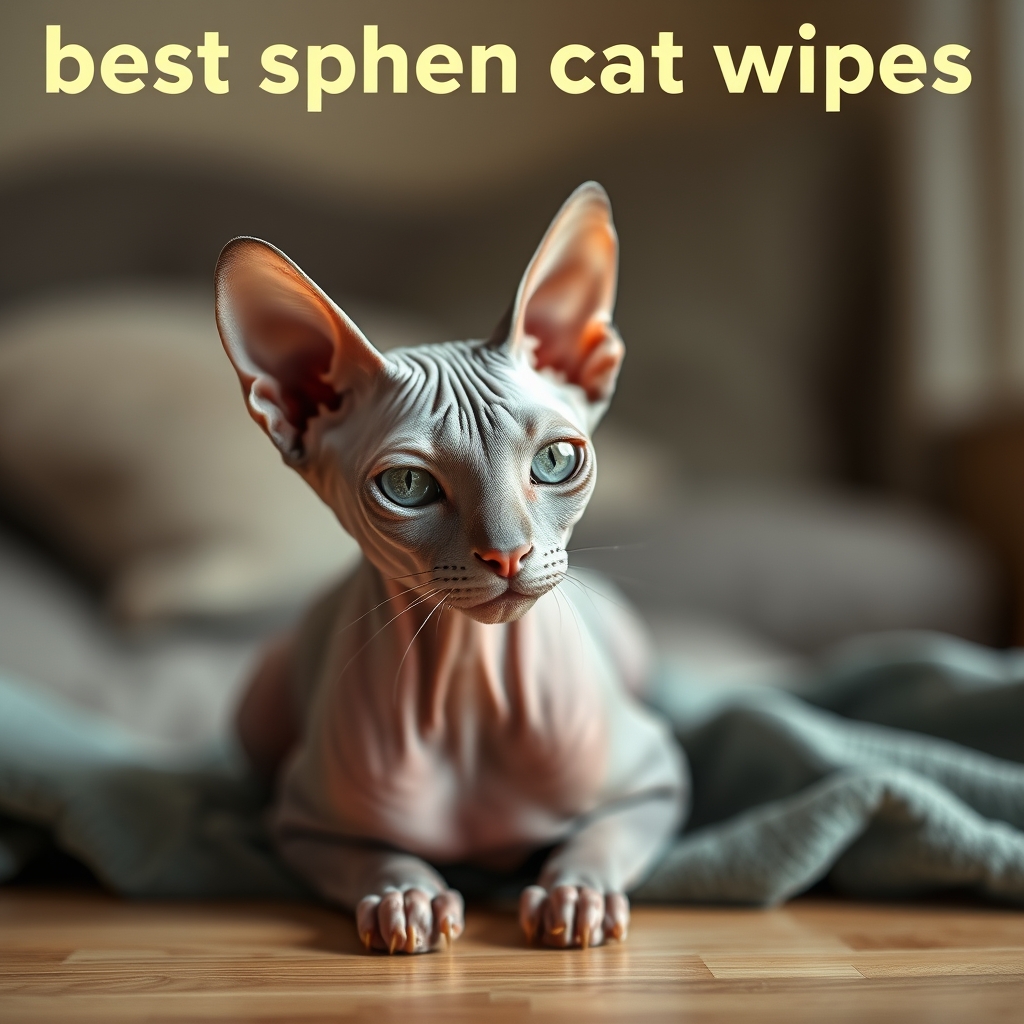 Skin Care
Best Sphynx Cat Wipes
The best sphynx cat wipes are unscented, hypo‑allergenic wipes designed specifically for hairless cats, and they can replace full baths for routine cleaning. Choose wipes that are safe for the skin, eyes and ears, and avoid using regular baby wipes as they may contain irritants.
Read guide→