Sphynx Cat Nail Cleaning

Sphynx cats are famous for their hairless coats, but their paws still need the same care as any other cat. Because their skin is exposed, the tiny crevices around the nail beds can collect debris, oil and the so‑called sphynx cat nail gunk. This guide walks you through the whole process – from recognising the signs of dirty nails to the safest way to perform a sphynx cat claw cleaning at home.
Why regular nail care matters for a hairless cat
Even though Sphynx cats lack fur, their paws have the same anatomical structure as other breeds. The nail beds are covered with a thin layer of skin that can become irritated if left unchecked. Built‑up gunk can cause:
- Mild inflammation or redness around the nail
- Unpleasant odour that can linger on bedding
- An increased risk of infection, especially if the cat scratches a wound
Because the skin is more visible, any problem is easier to spot, but it also means you need to be proactive. A weekly check‑up is a good rule of thumb.
What is sphynx cat nail gunk?
The term "nail gunk" refers to a mixture of dead skin cells, natural oils, and occasional dirt that accumulates in the tiny groove between the nail and the surrounding skin. In Sphynx cats, the lack of fur means the gunk is more apparent and can dry out, forming a crusty buildup. While it’s harmless in small amounts, it can become a breeding ground for bacteria if neglected.
Tools you’ll need
| Item | Why it matters |
|---|---|
| Nail trimmer or small scissor | Designed for feline claws, it provides a clean cut without crushing the nail. |
| Soft, lint‑free cloth or gauze | Gentle for wiping the nail beds without irritating the skin. |
| Pet‑safe nail cleaner (e.g., a water‑based spray) | Helps dissolve oils and removes residual gunk. |
| Styptic powder (optional) | Stops bleeding quickly if a nail is accidentally clipped too short. |
All tools should be cleaned before each use to avoid cross‑contamination.
Step‑by‑step sphynx cat claw cleaning
1. Choose a calm environment
Pick a quiet room where your cat feels safe. A warm lap or a soft blanket works well. Let your cat sniff the tools first – this reduces anxiety.
2. Inspect the nails and nail beds
Gently press each paw to expose the claws. Look for signs of gunk, discoloration, or swelling. If the nail bed looks inflamed, pause the cleaning and consider a vet visit.
3. Remove surface gunk
Dampen a soft cloth with lukewarm water or a pet‑safe nail cleaner. Gently wipe the nail and the surrounding skin, moving from the base of the nail outward. You should see the gunk loosen and lift away. Avoid pulling at the skin; instead, let the moisture do the work.
4. Trim the nails (if needed)
If the nails are longer than the tip of the toe, trim them using a cat‑specific trimmer. Clip only the transparent tip, staying clear of the quick (the pink, vascular part). For Sphynx cats, the quick is often more visible because of the thin skin.
5. Finish with a clean wipe
After trimming, give the paws one more pass with the damp cloth to clear any tiny debris. Pat the area dry with a fresh lint‑free pad.
How often should you clean Sphynx cat nails?
Weekly checks are ideal. In warmer months, when the cat may be more active, you might need to clean the paws twice a week. Conversely, if the cat is older or less mobile, a bi‑weekly routine can suffice, provided you still inspect the nail beds for any buildup.
Common mistakes to avoid
- Using human nail polish remover – these contain harsh chemicals that can burn the delicate skin.
- Pulling at the nail gunk – this can tear the skin and cause bleeding.
- Skipping the drying step – moisture left on the nail beds can encourage fungal growth.
When to seek veterinary advice
If you notice any of the following, contact your vet:
- Persistent redness or swelling that doesn’t improve after cleaning
- Bleeding that doesn’t stop with styptic powder
- A foul smell that remains despite regular cleaning
These could indicate infection or an underlying skin condition that needs professional treatment.
Choosing a sphynx cat nail cleaner
Look for products labelled as "water‑based" and "paraben‑free". Many pet stores carry sprays specifically formulated for hairless breeds; they’re designed to be gentle on exposed skin while effectively breaking down oils. If you prefer a DIY solution, a mixture of one part diluted apple cider vinegar to three parts water works as a mild antiseptic.
Maintaining healthy nail beds between cleanings
- Regular grooming: Even though Sphynx cats have no fur, a gentle brush across the paws can help move loose skin cells away from the nail beds.
- Balanced diet: Nutrients like omega‑3 fatty acids support skin health, reducing excess oil that contributes to gunk.
- Environmental hygiene: Keep litter boxes and bedding clean to minimise the amount of dirt your cat picks up.
By integrating these habits into your routine, you’ll keep your hairless cat’s paws clean, comfortable, and infection‑free.
Quick checklist for weekly nail care
- Inspect each paw for gunk and redness
- Wipe nails with a damp cloth or nail cleaner
- Trim nails if they extend beyond the toe tip
- Dry paws thoroughly
- Reward your cat with a treat to reinforce positive behaviour
Following this simple checklist turns nail maintenance into a quick, stress‑free ritual for both you and your Sphynx.
Remember: The key to a healthy sphynx cat nail routine is consistency and gentleness. With the right tools and a calm approach, cleaning sphynx cat nails becomes a straightforward part of weekly pet care.
FAQ
What is sphynx cat nail gunk and why does it form? Nail gunk is a mix of dead skin, oils and dirt that builds up in the nail groove; it appears more clearly on hairless cats because there is no fur to hide it.
Can I use regular human nail polish remover on a sphynx cat nail cleaner? No, human nail polish remover contains harsh chemicals that can burn a Sphynx’s exposed skin; always choose a pet‑safe, water‑based cleaner.
How often should I perform sphynx cat claw cleaning? Aim for a weekly check‑up; trim and wipe the nails each time, increasing to twice weekly if your cat is very active or lives in a dusty environment.
Why do my sphynx cat’s nail beds sometimes look red after cleaning? Redness can be a mild irritation from debris or a small cut; if it persists after a gentle clean, consult a vet to rule out infection.
How do I safely trim a sphynx cat’s nails without hurting the quick? Use a cat‑specific trimmer, cut only the transparent tip, and stop before the pink quick; if you’re unsure, trim a little at a time and check the colour of the cut edge.
Related guides
 Skin Care
How to Bathe a Sphynx Cat
To clean a Sphynx cat, give a regular bath using lukewarm water, a cat‑specific gentle shampoo, and rinse thoroughly. Bathe about once a week, use a bath cap if the cat dislikes water, and keep dry or waterless shampoo for quick touch‑ups.
Read guide→ Skin Care
Sphynx Cat Oily Skin
Sphynx cats appear oily because their skin produces more sebum than furred cats, and without hair to absorb it the oil stays on the surface. The oil helps protect their delicate skin, but it can cause visible grease and stains, which are managed through regular bathing and skin care.
Read guide→ Skin Care
Sphynx Cat Acne Blackheads
Sphynx cat acne is a common skin issue caused by blocked pores, often appearing on the chin or tail. Gentle cleaning, topical treatments and keeping the environment clean can help, but always consult a vet for proper diagnosis and medication.
Read guide→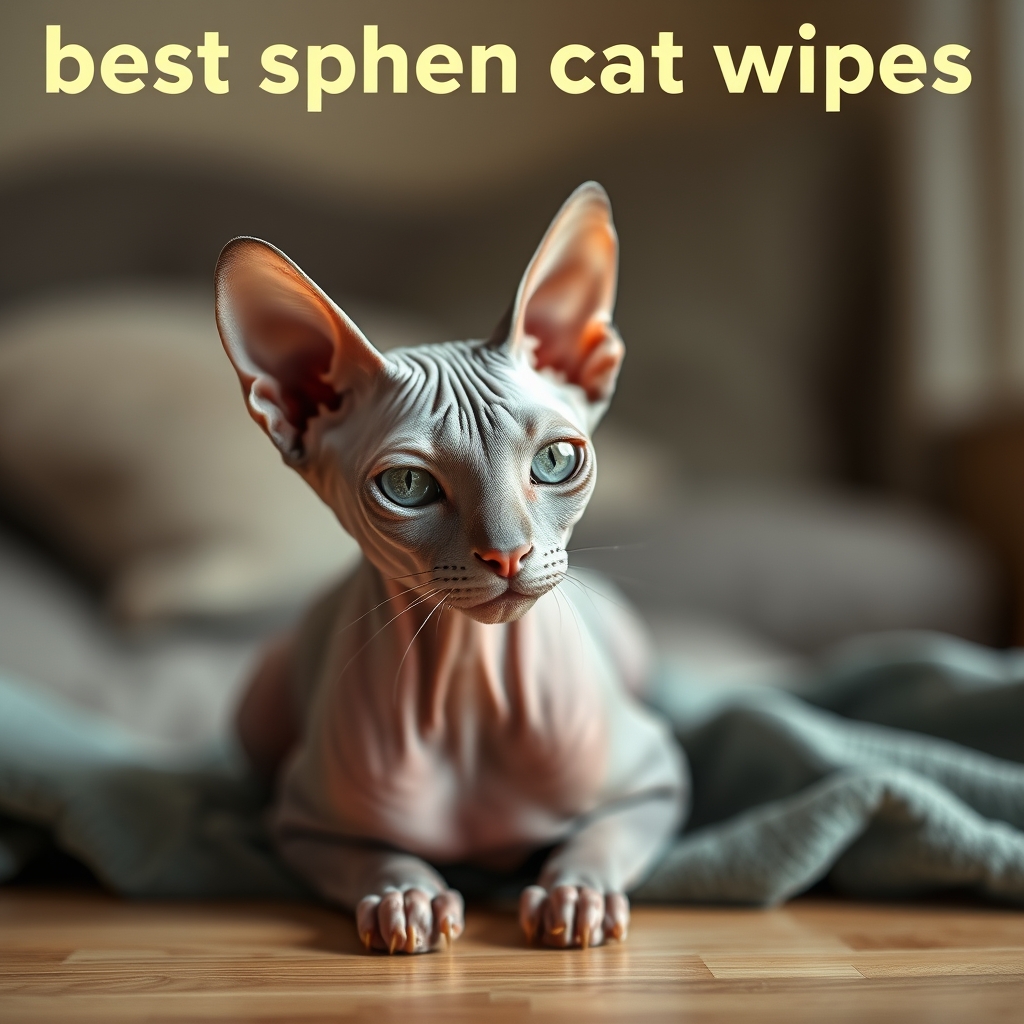 Skin Care
Best Sphynx Cat Wipes
The best sphynx cat wipes are unscented, hypo‑allergenic wipes designed specifically for hairless cats, and they can replace full baths for routine cleaning. Choose wipes that are safe for the skin, eyes and ears, and avoid using regular baby wipes as they may contain irritants.
Read guide→