Sphynx Cat Paw Care
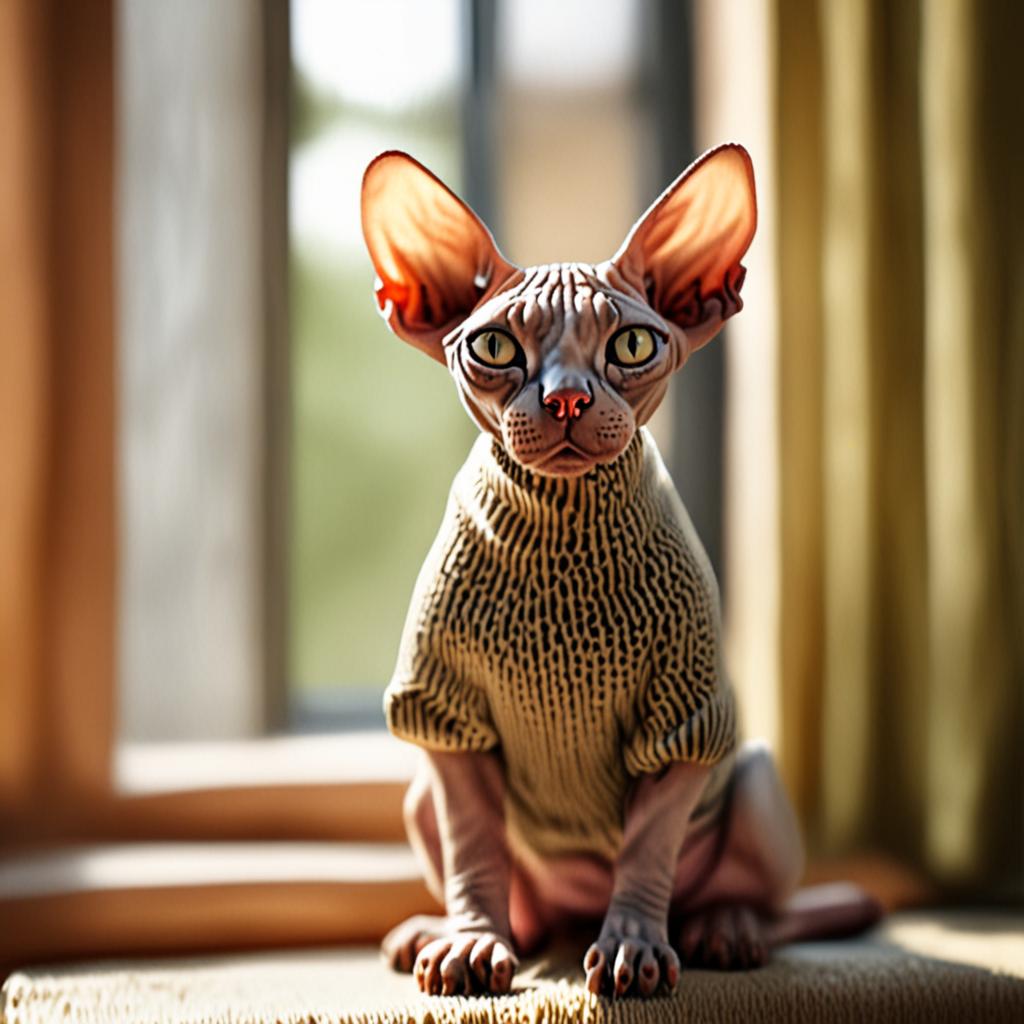
Sphynx cats are celebrated for their striking, hairless appearance, but their exposed skin and delicate paws need a little extra attention. A solid sphynx cat paw and nail care routine helps prevent discomfort, infection and the notorious nail‑bed gunk that can build up in the tiny crevices of their paws. Below is a step‑by‑step guide covering trimming, cleaning and maintenance, plus tips to avoid common pitfalls.
Why sphynx cat paw and nail care matters
Unlike their furred cousins, Sphynx cats lack a protective coat, so their paws are more exposed to the environment. The pads can dry out, develop cracks, or collect debris that leads to irritation. Additionally, their nails grow continuously; over‑grown claws can snag on fabrics or cause painful splits. Regular care not only keeps your cat comfortable but also reduces the risk of secondary infections that could affect the whole animal.
How to trim sphynx cat nails safely
Trimming is a simple procedure when you have the right tools and a calm approach. Follow these steps:
Tools you’ll need
- A pair of cat‑specific nail clippers (guillotine or scissor style).
- Styptic powder or a small amount of cornstarch for accidental bleeding.
- A soft towel or a specialised cat‑handling bag to gently restrain the cat.
- Treats for positive reinforcement.
Step‑by‑step trimming
- Choose a quiet time – after a play session or when your cat is naturally relaxed.
- Secure the cat – wrap them in a towel, leaving one paw exposed. The pressure should feel snug, not restrictive.
- Inspect the nail – the translucent tip contains a pinkish blood vessel called the quick. Only trim the sharp tip beyond the quick.
- Clip a little at a time – apply gentle pressure with the clippers and cut off just the tip. If you’re unsure, trim less; you can always go back later.
- Reward immediately – give a treat and a soothing petting session to associate trimming with a positive experience.
- Repeat for each paw – most cats need a trim every 10‑14 days, but monitor growth and adjust as needed.
If you accidentally nick the quick, apply styptic powder or a dab of cornstarch to stop bleeding. The spot should clot within a minute.
Sphynx cat paw cleaning routine
Because there is no fur to trap dirt, a gentle cleaning routine is essential. Here’s how to keep those pads pristine:
- Wipe after outdoor excursions – use a damp, soft cloth or a pet‑safe wipe to remove dust, sand or plant debris. Pay special attention to the spaces between the pads where grime can lodge.
- Weekly soak – fill a shallow basin with lukewarm water (no more than 30 °C) and let your cat step in for a minute or two. Gently massage the pads with your fingertips; the water loosens any stubborn particles.
- Dry thoroughly – pat the paws dry with a clean towel. Moisture left on the pads can lead to cracking.
- Moisturise if needed – a thin layer of pet‑safe, hypo‑allergenic balm can protect against dryness, especially in winter months.
Dealing with sphynx cat nail bed gunk
The term "nail‑bed gunk" describes the mix of dead skin, oil and tiny debris that can accumulate in the tiny crevices around a sphynx cat’s nails. If left unchecked, it may cause irritation or a foul smell.
- Identify the problem – look for dark, tacky material near the nail base. The cat may lick the area excessively or show signs of discomfort.
- Gentle removal – after a short soak, use a soft, damp cotton swab to lift the gunk away. Do not force the swab; a gentle rolling motion works best.
- Prevent recurrence – maintain a regular paw‑cleaning schedule and keep nails trimmed. Over‑grown nails create deeper pockets where gunk can hide.
Common mistakes to avoid
| Mistake | Why it matters |
|---|---|
| Cutting too close to the quick | Causes bleeding and pain, leading to aversion to future trims. |
| Using human nail clippers | They are not designed for the curvature of cat nails and can crush the nail. |
| Skipping regular cleaning | Allows debris to build up, increasing the risk of infection and nail‑bed gunk. |
| Ignoring signs of discomfort | Sphynx cats may hide pain; early detection prevents more serious issues. |
By staying consistent and observant, you’ll keep your sphynx cat’s paws healthy and your home free of unwanted scratches.
A quick daily checklist
- Visual check – look for cracks, redness or excess debris.
- Touch test – gently press each pad; it should feel supple, not hard.
- Nail length – ensure the tip extends only a few millimetres beyond the quick.
- Reward – end the routine with a treat to reinforce calm behaviour.
Implementing these simple steps turns paw and nail care into a quick, low‑stress part of your daily routine, ensuring your hairless companion stays comfortable, clean and ready for cuddles.
With a little practice, sphynx cat paw and nail care becomes second nature. Your cat will thank you with fewer scratches, a softer step, and a happier, healthier life.
Good to know
Frequently asked questions
How do I trim sphynx cat nails safely?+
Use cat‑specific nail clippers, work in a calm environment, trim only the tip beyond the quick, and reward your cat with treats after each session.
Why is sphynx cat paw cleaning important?+
Because their hairless paws are exposed to dirt and debris, regular cleaning prevents irritation, cracking and the build‑up of harmful gunk.
Can I use human nail clippers on my sphynx cat?+
No; human clippers are not designed for the shape of cat nails and can crush them, leading to pain and possible infection.
Are there signs that my sphynx cat has nail‑bed gunk?+
Look for dark, tacky material near the nail base, excessive licking, or signs of discomfort such as limping or paw withdrawals.
How often should I trim sphynx cat nails?+
Most sphynx cats need a trim every 10‑14 days, but check the length weekly and adjust the schedule if the nails grow faster.
Related guides
 Skin Care
How to Bathe a Sphynx Cat
To clean a Sphynx cat, give a regular bath using lukewarm water, a cat‑specific gentle shampoo, and rinse thoroughly. Bathe about once a week, use a bath cap if the cat dislikes water, and keep dry or waterless shampoo for quick touch‑ups.
Read guide→ Skin Care
Sphynx Cat Oily Skin
Sphynx cats appear oily because their skin produces more sebum than furred cats, and without hair to absorb it the oil stays on the surface. The oil helps protect their delicate skin, but it can cause visible grease and stains, which are managed through regular bathing and skin care.
Read guide→ Skin Care
Sphynx Cat Acne Blackheads
Sphynx cat acne is a common skin issue caused by blocked pores, often appearing on the chin or tail. Gentle cleaning, topical treatments and keeping the environment clean can help, but always consult a vet for proper diagnosis and medication.
Read guide→ Skin Care
Best Sphynx Cat Wipes
The best sphynx cat wipes are unscented, hypo‑allergenic wipes designed specifically for hairless cats, and they can replace full baths for routine cleaning. Choose wipes that are safe for the skin, eyes and ears, and avoid using regular baby wipes as they may contain irritants.
Read guide→