How to Clean Sphynx Cat Ears

Why cleaning Sphynx cat ears matters
Sphynx cats are famous for their lack of fur, but their skin and ear canals are just as sensitive as those of any other breed. Because they have no hair to trap debris, ear wax (sometimes called cerumen) can accumulate visibly on the outer ear flap. If left unchecked, wax can harden, attract dirt, or even lead to infection. A routine ear‑cleaning habit helps maintain good hygiene, reduces the risk of otitis, and keeps your cat comfortable.
How often to clean Sphynx cat ears
The ideal frequency varies with each cat, but a good rule of thumb is once a week for a quick visual check and a gentle wipe if needed. Some cats may need cleaning every few days, especially if they have a tendency to produce excess wax or if you notice a strong odour. Conversely, a healthy adult Sphynx with minimal wax buildup may only need cleaning every two weeks. Always let your cat’s behaviour guide you – if they scratch their ears or shake their head often, it’s a sign the ears are dirty.
Understanding Sphynx cat ear wax
Ear wax is a natural secretion that protects the ear canal from dust and microbes. In Sphynx cats, the wax is often more visible because there is no fur to hide it. Typical characteristics of normal wax are a light brown colour and a soft, crumbly texture. If you see dark, thick, or foul‑smelling material, it could indicate an infection or ear mite infestation, and a vet visit is advisable.
The best way to clean dirty Sphynx ears
Step‑by‑step cleaning routine
- Gather supplies – a soft, lint‑free cloth, cotton balls, warm (body‑temperature) water, and a bottle of vet‑approved ear wipes (look for products without alcohol or harsh fragrances).
- Create a calm environment – sit on the floor, speak soothingly, and let your cat sniff the cloth first. A relaxed cat is less likely to scratch.
- Inspect the ear – gently lift the ear flap and look at the external canal. You should see only a thin line of wax.
- Moisten the cloth – dip a corner of the cloth in warm water and wring it out so it is damp, not dripping.
- Wipe the outer ear – starting at the base of the ear flap, wipe in a single direction moving outward. Do not insert the cloth into the canal; you only need to clean the visible surface.
- Use ear wipes if preferred – a single sphynx cat ear wipe can replace the damp cloth. Follow the product instructions, usually a gentle swipe from the inside of the flap outward.
- Dry gently – pat the ear dry with a dry cotton ball to prevent moisture lingering, which could encourage bacterial growth.
- Reward your cat – a treat or extra petting reinforces a positive association with ear care.
Choosing the right sphynx cat ear wipes
When selecting ear wipes, look for the following criteria:
- Alcohol‑free – alcohol can sting the delicate skin.
- pH‑balanced – the product should match the natural pH of a cat’s ear, typically around 6.5.
- No added fragrances – scents can be irritating.
- Vet‑approved – a recommendation from a veterinarian adds confidence. Even with the best wipes, they are meant for surface cleaning only. If you need to clear deeper wax, a vet may recommend a specific ear cleaning solution.
Common mistakes to avoid
- Never use cotton swabs – they can push wax further into the canal or damage the thin ear skin.
- Avoid harsh chemicals – hydrogen peroxide, vinegar, or over‑the‑counter ear drops made for humans are unsuitable for cats.
- Do not over‑clean – excessive cleaning can strip the ear’s natural oils, leading to dryness and irritation.
- Skip the vet if you see signs of infection – redness, swelling, discharge, or persistent head shaking warrants professional assessment.
Signs your Sphynx needs a vet check
Even with regular cleaning, some conditions develop quickly. Look for:
- Persistent scratching or pawing at the ears.
- A strong, foul smell emanating from the ears.
- Redness, swelling, or crusty discharge.
- Sudden head shaking or tilting. If any of these symptoms appear, book an appointment promptly.
Maintaining overall ear health
Beyond cleaning, keep these habits in mind:
- Regular grooming – brush the skin around the ears to remove loose debris.
- Balanced diet – a diet rich in omega‑3 fatty acids supports skin health, which includes the ear region.
- Environmental control – reduce dust and dander in your home; a clean environment means less wax build‑up.
- Routine veterinary exams – an annual check‑up can catch ear problems early.
Quick reference checklist
- Frequency: weekly visual check, clean as needed.
- Tools: soft cloth, warm water, vet‑approved ear wipes.
- Technique: wipe from base outward, never insert anything into the canal.
- Warning signs: odor, redness, discharge, excessive scratching.
- When to see a vet: any of the above signs persist for more than 24‑48 hours.
By following these simple steps, you’ll keep your Sphynx’s ears clean, comfortable, and infection‑free, allowing the cat’s unique personality to shine without the distraction of ear discomfort.
Frequently Asked Questions
How often should I clean my Sphynx cat ears? A weekly check is usually sufficient, but clean more often if you see visible wax or your cat shows signs of ear irritation.
Can I use regular cotton balls to clean my Sphynx cat's ears? Yes, a soft cotton ball dampened with warm water works well for surface cleaning; avoid inserting it into the ear canal.
Are Sphynx cat ear wipes safe for daily use? Most vet‑approved, alcohol‑free wipes are safe for regular use, but daily cleaning is unnecessary unless your cat has a specific condition.
Why does my Sphynx have a lot of ear wax? Excess wax can be hereditary, linked to diet, or a response to environmental dust; monitoring and occasional cleaning usually manage the amount.
How do I know the best way to clean dirty Sphynx ears? The best way is a gentle wipe with a damp cloth or a suitable ear wipe, always moving from the base outward and never inserting anything into the canal.
Related guides
 Skin Care
How to Bathe a Sphynx Cat
To clean a Sphynx cat, give a regular bath using lukewarm water, a cat‑specific gentle shampoo, and rinse thoroughly. Bathe about once a week, use a bath cap if the cat dislikes water, and keep dry or waterless shampoo for quick touch‑ups.
Read guide→ Skin Care
Sphynx Cat Oily Skin
Sphynx cats appear oily because their skin produces more sebum than furred cats, and without hair to absorb it the oil stays on the surface. The oil helps protect their delicate skin, but it can cause visible grease and stains, which are managed through regular bathing and skin care.
Read guide→ Skin Care
Sphynx Cat Acne Blackheads
Sphynx cat acne is a common skin issue caused by blocked pores, often appearing on the chin or tail. Gentle cleaning, topical treatments and keeping the environment clean can help, but always consult a vet for proper diagnosis and medication.
Read guide→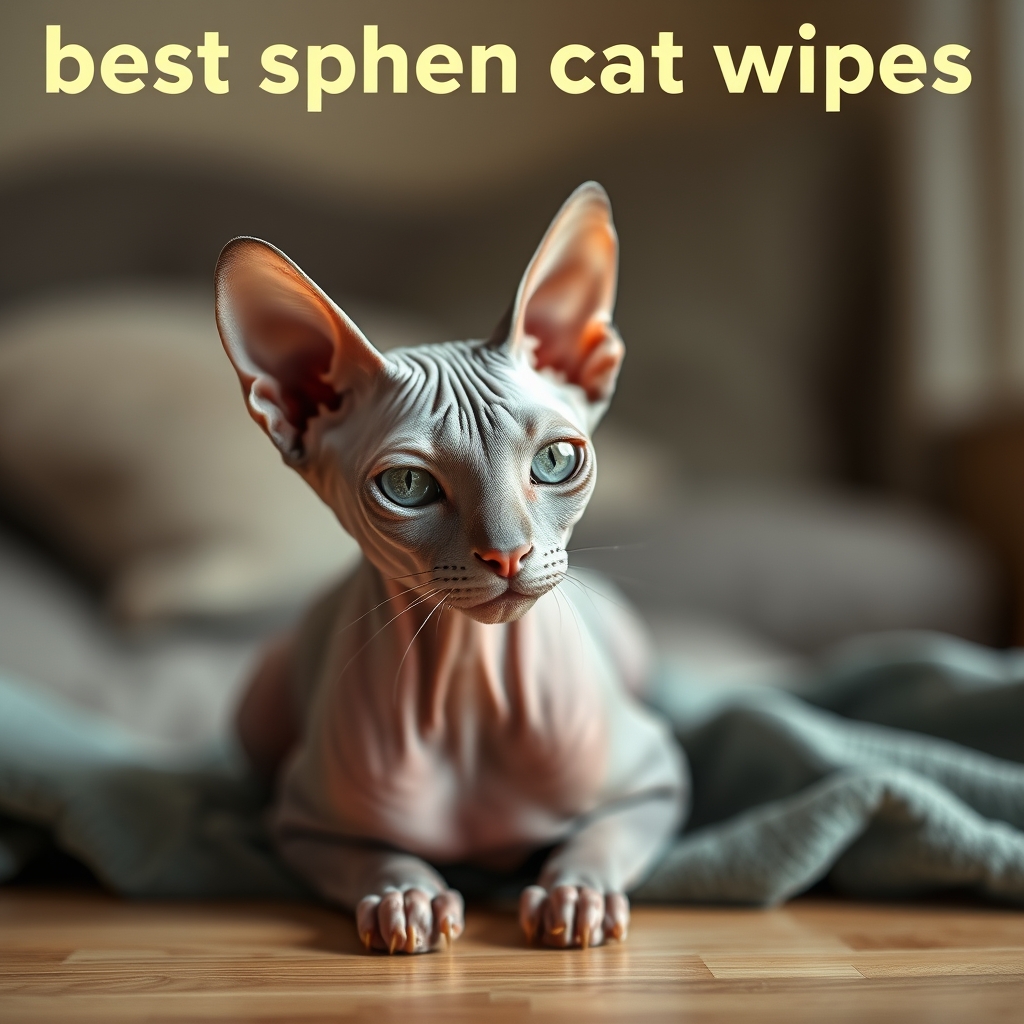 Skin Care
Best Sphynx Cat Wipes
The best sphynx cat wipes are unscented, hypo‑allergenic wipes designed specifically for hairless cats, and they can replace full baths for routine cleaning. Choose wipes that are safe for the skin, eyes and ears, and avoid using regular baby wipes as they may contain irritants.
Read guide→