How to Keep a Sphynx Cat Warm

Sphynx cats are famous for their striking lack of fur, but that also means they lose body heat much faster than coated breeds. When the temperature drops, owners need to be proactive about how to keep a Sphynx cat warm. This guide blends classic SEO clarity with the concise style favoured by AI answer engines, giving you a practical roadmap for year‑round comfort.
Why Temperature Matters for a Hairless Cat
Unlike a Persian or Maine Coon, a Sphynx has very little insulation. Their skin is exposed, and the tiny downy fuzz they do have provides minimal protection. As a result, they are more sensitive to drafts and ambient chill. If the surrounding air is cool, their core temperature can fall quickly, leading to lethargy, shivering, or even respiratory issues. Understanding this physiological difference is the first step in effective sphynx cat winter care.
Setting the Ideal Room Temperature for Sphynx Cats
Recommended Indoor Climate
Most experts suggest a room temperature for Sphynx cats between 22 °C and 24 °C (71‑75 °F). This range mirrors comfortable human indoor climates and prevents the cat from having to generate excess heat. Use a reliable thermostat and, if possible, a digital hygrometer; a slightly higher humidity (45‑55 %) can also help keep their skin from drying out.
Avoiding Drafts and Cold Spots
Even within the ideal temperature range, cold drafts can create micro‑environments where the cat feels chilly. Position cat beds away from windows, external doors, and air‑conditioning vents. A simple piece of cardboard or a draft stopper can make a big difference.
The Best Way to Keep a Hairless Cat Warm
Clothing, bedding, and supplemental heat are the three pillars of warmth for a Sphynx.
Soft Clothing and Sweaters
A well‑fitted, breathable sweater made from cotton or fleece is the most popular solution. Look for garments with a snug neck but no tight cuffs that could restrict circulation. Dress your cat gradually; start with short periods and monitor for signs of stress.
Warm Bedding Choices
Invest in a low‑pile, washable blanket or a plush pet bed that retains heat. Adding a layer of thermal fleece under the bed can create a cosy nest without overheating. Avoid heavy duvets that can trap moisture against the skin.
Heated Pads and Cat‑Safe Warmers
A pet‑grade heating pad set to low or a self‑warming pad (filled with gel that activates with body heat) provides constant warmth. Always place a thin towel between the pad and the cat to prevent burns, and monitor the device for any signs of malfunction.
Seasonal Care and Routine Adjustments
Winter does not merely mean colder air; it also brings lower humidity and shorter daylight hours. Adjust your Sphynx's routine accordingly.
Regular Grooming and Skin Care
Even though they lack fur, Sphynx cats still benefit from weekly gentle skin wipes to remove oil buildup. In winter, a mild, fragrance‑free moisturizer can keep the skin supple and prevent cracking.
Nutrition and Hydration
A slightly higher caloric intake can help generate internal heat. Consult your vet for the appropriate increase, typically 5‑10 % more during the coldest months. Fresh water should never be left to freeze; a water fountain with a heated base is a practical solution.
Play and Movement
Encourage short bursts of play to stimulate circulation. Interactive toys, feather wands, and laser pointers keep the cat active, which naturally raises body temperature.
Recognising When Your Sphynx Is Too Cold
Watch for shivering, a tucked‑up posture, or a reluctance to move. The ears and tail may feel cooler than the rest of the body. If you suspect hypothermia, wrap the cat gently in a warm towel and contact a veterinarian immediately.
Practical Checklist for Sphynx Cat Winter Care
- Keep indoor temperature between 22‑24 °C.
- Eliminate drafts around sleeping areas.
- Provide a fitted sweater or bodysuit.
- Use a soft, insulated bed with a thermal layer.
- Offer a low‑heat pet pad, covered with a towel.
- Moisturise skin weekly with a vet‑approved product.
- Slightly increase daily calories under veterinary guidance.
- Ensure water stays unfrozen with a heated bowl.
- Monitor for signs of cold stress daily.
By integrating these steps, you create a stable, warm environment that respects the unique needs of a hairless breed while keeping maintenance simple and affordable.
Frequently Asked Questions (FAQ)
Below are concise answers to common queries that often appear in searches about Sphynx cat warmth and winter care.
Are there special winter care steps for a Sphynx cat?
Yes. In addition to maintaining a warm indoor temperature, you should provide clothing, insulated bedding, and monitor skin health with gentle wipes and moisturiser.
Do Sphynx cats need a higher room temperature than other cats?
Generally, they thrive best at 22‑24 °C, which is slightly warmer than the typical 18‑20 °C recommended for fully furred cats.
Can a hairless cat stay warm without clothing?
A hairless cat can stay warm using heated pads, blankets, and a well‑insulated sleeping area, but clothing adds an extra layer of protection, especially in very cold homes.
Why does a Sphynx cat feel cold more often?
Because they lack fur, they lose heat quickly through their skin, making them more susceptible to ambient temperature changes and drafts.
How can I tell if my Sphynx is too cold?
Look for shivering, a curled‑up posture, cool ears or tail, and reduced activity; these are signs that the cat may need additional warmth.
Keeping a Sphynx cat comfortable throughout the colder months is largely about creating a stable, warm micro‑environment and paying close attention to the cat's behaviour. With the right temperature, cosy accessories, and a thoughtful care routine, your hairless companion will stay happy and healthy all winter long.
Good to know
Frequently asked questions
Are there special winter care steps for a Sphynx cat?+
Yes. In addition to maintaining a warm indoor temperature, you should provide clothing, insulated bedding, and monitor skin health with gentle wipes and moisturiser.
Do Sphynx cats need a higher room temperature than other cats?+
Generally, they thrive best at 22‑24 °C, which is slightly warmer than the typical 18‑20 °C recommended for fully furred cats.
Can a hairless cat stay warm without clothing?+
A hairless cat can stay warm using heated pads, blankets, and a well‑insulated sleeping area, but clothing adds an extra layer of protection, especially in very cold homes.
Why does a Sphynx cat feel cold more often?+
Because they lack fur, they lose heat quickly through their skin, making them more susceptible to ambient temperature changes and drafts.
How can I tell if my Sphynx is too cold?+
Look for shivering, a curled‑up posture, cool ears or tail, and reduced activity; these are signs that the cat may need additional warmth.
Related guides
 Clothes
do Sphynx Cats Need Clothes
Sphynx cats do not strictly need clothes, but because they lack fur they can feel cold, especially in cooler environments. Providing a lightweight sweater or other warm garment when temperatures drop helps them stay comfortable, though the cat should always be allowed to move freely and remove the item if it seems distressed.
Read guide→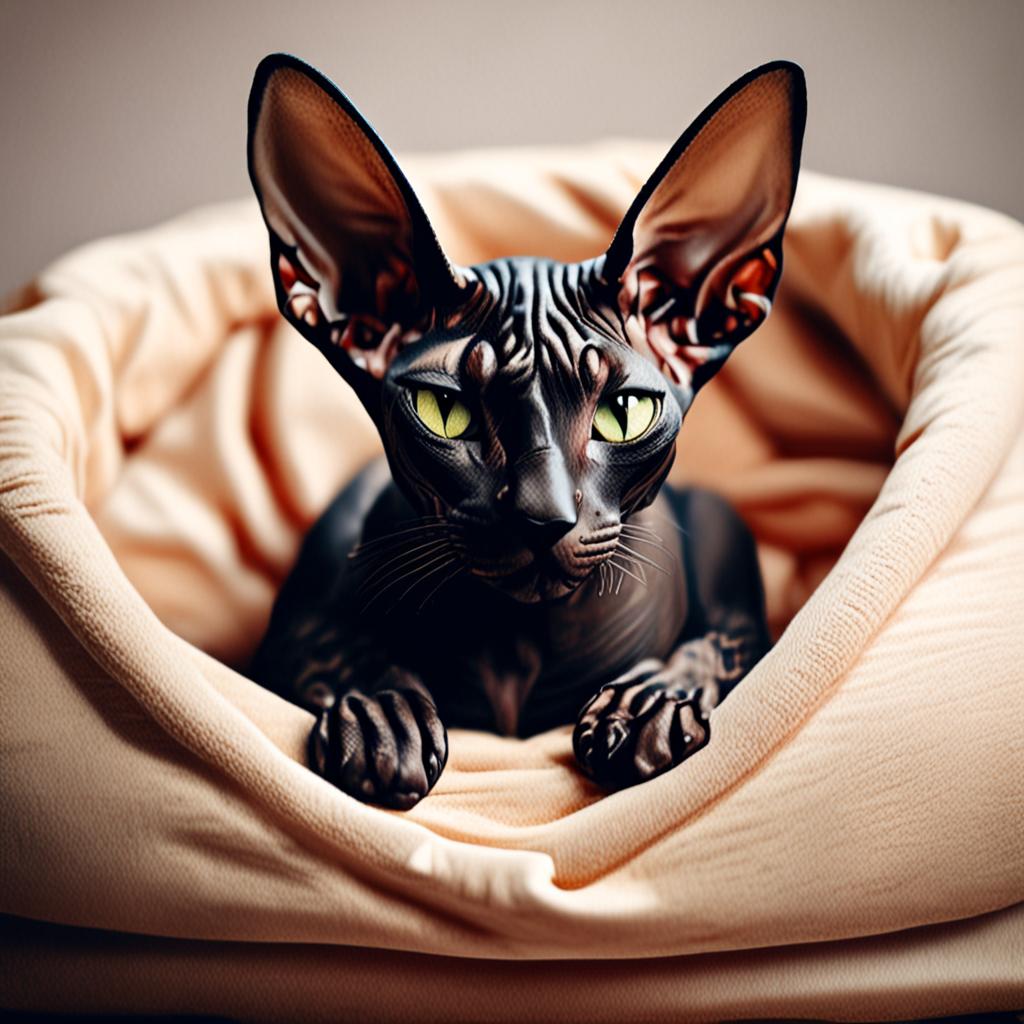 Clothes
Best Sphynx Cat Clothes
The best sphynx cat clothes combine warmth, fit and breathable fabrics. Look for specially‑designed jackets or lightweight costumes, and buy from reputable sellers on Amazon, Etsy or UK pet boutiques.
Read guide→ Clothes
Sphynx Cat Sweater Pattern
Yes, you can find a free sphynx cat sweater pattern that works for knitting, crochet or sewing. Choose a soft, low‑allergy yarn, follow the step‑by‑step guide, and your hairless cat will stay cosy and stylish.
Read guide→ Clothes
Best Sphynx Cat Heated Bed
A sphynx cat heated bed provides consistent warmth for hairless cats, preventing chills and supporting joint health. Choose a model with safe temperature control, appropriate size and easy cleaning, and consider whether a dedicated heating pad or a self‑warming bed best fits your home.
Read guide→